Papua New Guinea National Disaster Center

The NDC is mandated by the Disaster Management Act of 1984 (revised 1987), Part III, Section 15 to manage disasters in the country. Dissemination of disaster alerts and awareness messages are key components in disaster management.
The National Disaster Centre (NDC) was established by an Act of Parliament, the Disaster Management Act of 1984, to manage both natural and human-induced disasters and emergencies in the country. The same Act also establishes the National Disaster Committee (ND Com), the higher decision-making body that is made up of key government department heads. The NDC is currently under the Ministry of Defense which makes the Secretary of the Department of Defense the Chairman of the ND Com who provides advice relating to disaster risk management across the country to the Minster for Defense. Given the geographically positioning of Papua New Guinea in the Pacific Ring of Fire that makes the country vulnerable to various natural hazards, the NDC plays a key role not only in managing disasters but provide disaster risk reduction mechanisms to ensure communities are safe, sustainable and resilient to any disaster event.
The NDC is headed by Director, who is appointed by the National Executive Council (NEC), and two (2) Assistant Directors for Risk Management and Community & Government Liaison Divisions respectively. The Risk Management Division is responsible for Disaster Risk Management and Reduction (DRM/DRR) activities and programmes. While the Community & Government Liaison Division is responsible for emergency operations center, response coordination and recovery measures as well as the NDC corporate affairs too.
Risk Management
The Risk Management division is the technical division of National Disaster Centre that is responsible for Disaster Risk Management and Disaster Risk Reduction activities and programmes. The division is also responsible for developing, planning and implementing disaster risk reduction initiatives and actions to reduce the impacts of potential disasters in the country. The division takes care of and strategize on the proactive phase of the disaster management cycle which includes Prevention, Mitigation, and Preparedness stages.
Its core functions include research, training, education, awareness, information technology, vulnerability and risk assessments and hazard mapping. The division also plays a vital role in fostering partnerships and networking with all relevant government agencies, development partners, non-governmental organisations (NGO’s), faith-based organizations, civil society organisations and all other stakeholders in managing and coordinating disaster risk reduction activities in the country. The division is headed by an Assistant Director who oversees the implementation DRR plans and programmes. The Assistant Director reports to the Director of NDC.
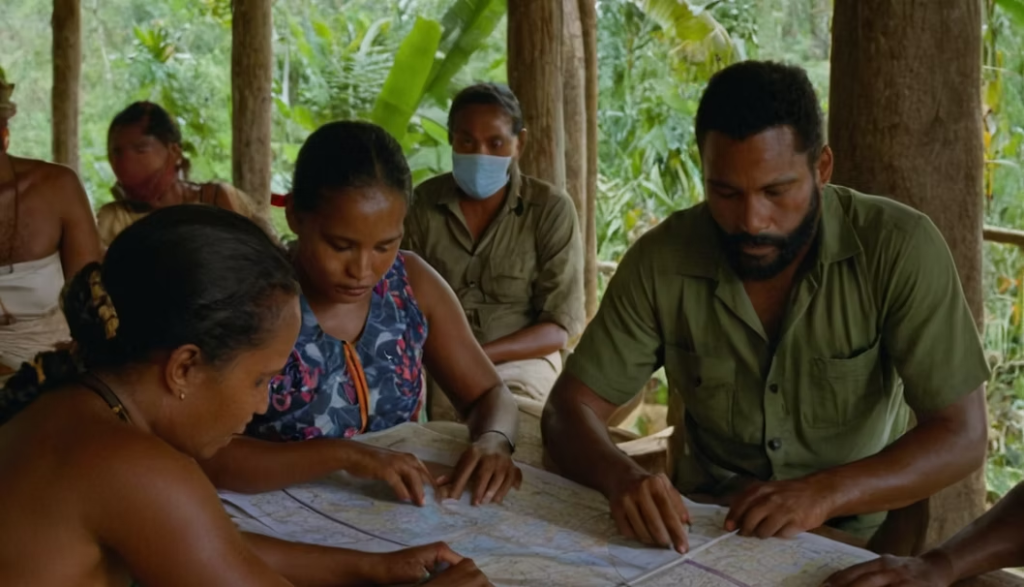
The CGL Division is tasked to manage some core functions of the National Disaster Centre including;
- Organizing the National Disaster Committee Meetings,
- Managing and providing financial advice to the Director General as well as preparation of the annual recurrent budget and reviews,
- Managing and providing human resources advice to the Director General,
- Managing and maintaining 24-hours Operational Center,
- Maintaining an effective communication system,
- Providing logistics advice and support to Provincial Disaster Offices,
- Conducting damage needs assessments and compiling damage reports to the Director General,
- Assisting with the preparation of evacuation plans,
- Coordinating stakeholders, partners and government responses to disasters and emergencies,
- External and internal stakeholder liaison including contacts with the media,
- Assisting with early recovery efforts in coordination with partners and stakeholders