Ministry of Humanitarian Affairs and Disaster Management – South Sudan (http://www.mhadm.gov.ss )
IOM : Ten years after gaining independence and three years after signing the most recent peace agreement, people in South Sudan continue to face deteriorating humanitarian conditions. Conflict, sub-national violence, public health challenges and climatic shocks have severely affected people’s livelihoods and hindered access to essential services. The Human Development Index, launched in 1990 to look beyond gross domestic product as a measure of well-being, ranks South Sudan last globally. South Sudan’s life expectancy is 55, people spend just 5.5 years in school on average and earn USD 768 a year (World Bank 2022). An estimated 9.4 million people in South Sudan, including 2.2 million women, 4.9 million children and 337,000 refugees, are projected to need humanitarian assistance and protection services in 2023 – reflecting a 76 per cent of the country’s population, a 5 per cent increase from 2022 (OCHA 2022). An additional 212,000 people are estimated to have humanitarian and/or protection needs in the Abyei Administrative Area, a disputed territory between Sudan and South Sudan (OCHA 2022). Ongoing conflict combined with severe flooding has led to large-scale displacement. There are 2.2 million internally displaced persons (IDPs) in South Sudan, and more than 2.3 million South Sudanese are refugees in neighbouring countries (IOM DTM 2022). South Sudan’s 2023 Humanitarian Response Plan (HRP) targets 6.8 million people, including 3.4 million children and 1 million people with disabilities. Priority needs include food assistance, water, sanitation and hygiene (WASH), livelihoods and health[World Bank, 2022] .
According to the 2023 INFORM Risk Index, South Sudan is ranked as the second most vulnerable country globally to the impacts of natural hazards, including droughts and flooding. In some parts of the country, floodwaters from the 2019-2020 rainy season had not yet receded as of December 2022. Climate change combined with short-term changes, such as a change in the seasonality of rains, have indirect effects on peace and security (OCHA 2022).
Since the outbreak of fighting in Sudan on 15 April 2023, the influx of people fleeing the country has increased exponentially, with more than 75,000 individuals, including 90 per cent of South Sudanese nationals, crossing through 12 key border entry points along the Sudan-South Sudan border, as of 24 May 2023 . The real numbers are likely to be higher as some people entered the country without registration, with the average number of people arriving daily recorded at 3,500 individuals. The conflict in Sudan has already affected South Sudan’s economic outlook, particularly for northern States that rely heavily on imports from Sudan, leading to an increase in food prices and fuel costs. This could potentially exacerbate the protection risks and vulnerabilities of the population of the northern States but also returnees arriving from Sudan and increase food insecurity, negative coping mechanisms and acute humanitarian needs.
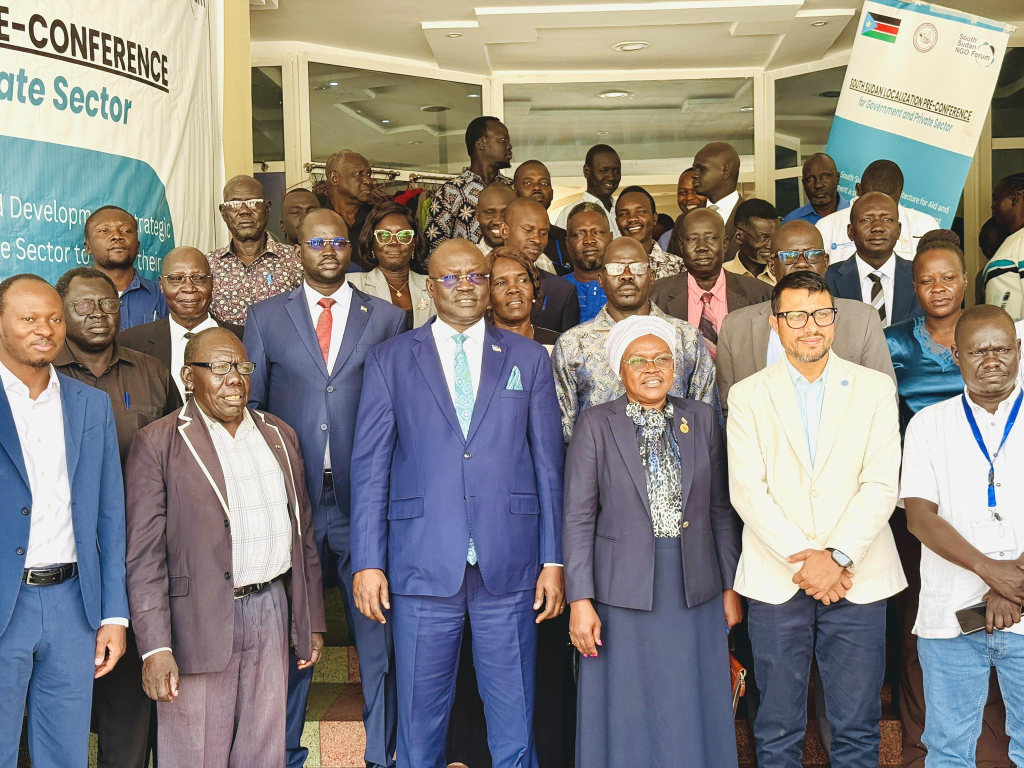
Flood in South Sudan
South Sudan: Floods
Since May 2024, South Sudan has experienced significant flooding, caused by heavy rainfall and the bursting of the Nile River banks. The floods have affected more than 700,000 people, caused extensive damage to homes and devastated livestock and crops. Through this emergency appeal, the IFRC and its membership aim to address the urgent needs of 300,000 people through health, WASH, shelter and livelihoods interventions.
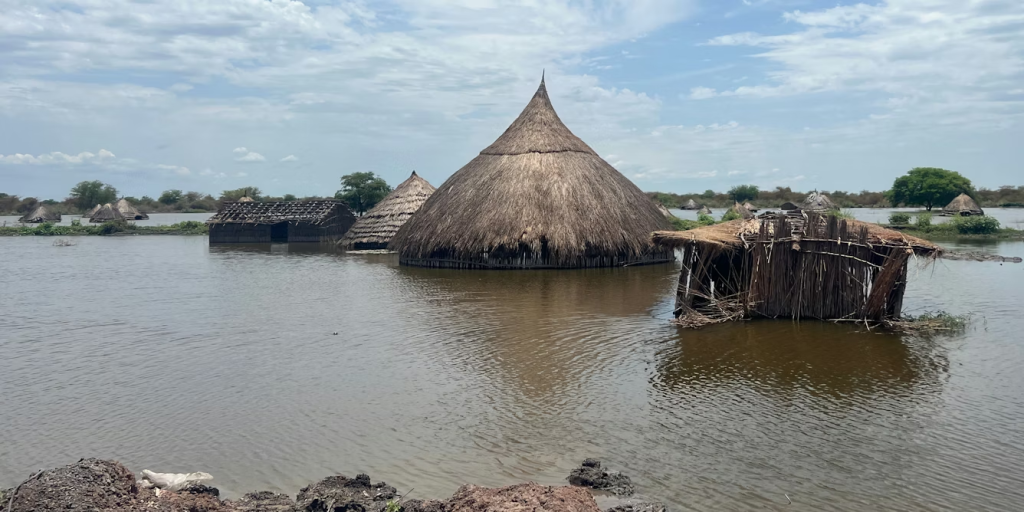
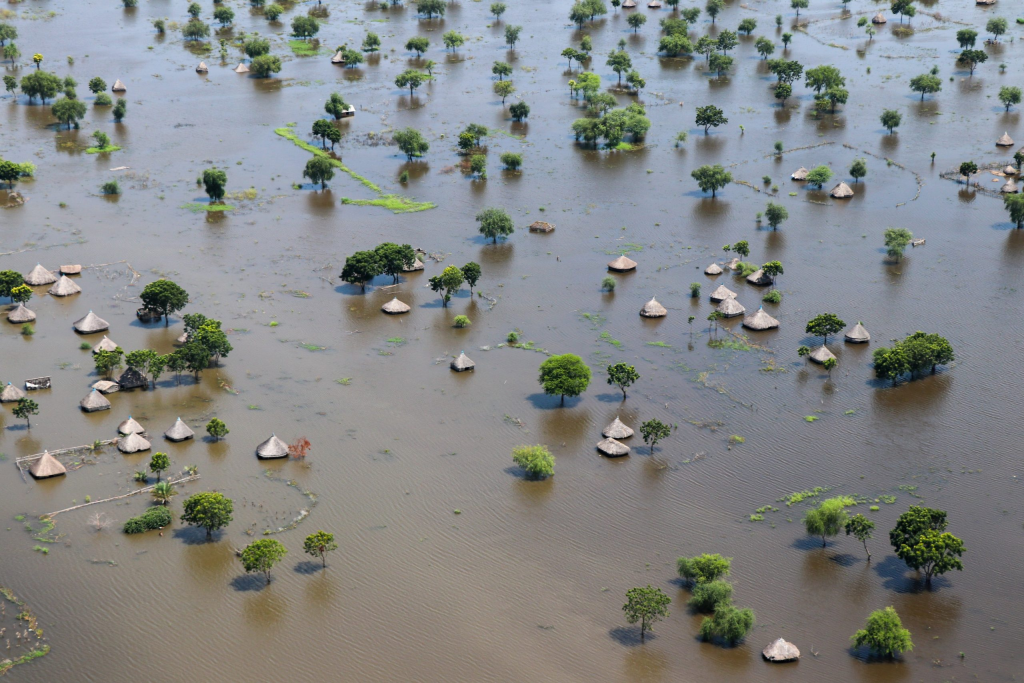
South Sudan: Floods – Jul 2025
As of 30 July, flooding continues to impact an estimated 80,000 people in Mayendit and Bor South counties, in Unity and Jonglei states. While no flood-related displacement has been reported to date, communities remain at heightened risk due to prolonged exposure to floodwaters. By the end of July, 84,606 confirmed cholera cases and 1,477 related deaths were reported. Stagnant floodwaters, poor sanitation, and limited access to safe drinking water are exacerbating public health risks and increasing the likelihood of further disease outbreaks. Humanitarian partners are closely monitoring the situation and coordinating with health and WASH actors to strengthen disease surveillance, promote hygiene awareness, and address critical water and sanitation gaps. (OCHA, 31 Jul 2025)
Above-normal rainfall is forecast between July and November 2025, with an estimated 1.6 million people at risk of flooding across South Sudan. On 30–31 August, a section of the dyke on the western side of Old Fangak broke overnight, submerging the entire town. As of 1 September, flooding has affected approximately 263,000 people across Unity, Jonglei, and Upper Nile states. On 2 September, the Humanitarian Coordinator with Government led a high-level visit to Malakal, Upper Nile State, to support flood mitigation efforts and engage with communities at risk of flooding and cholera. (ECHO, 4 Sep 2025)
Heavy rainfall and rising water levels of the River Nile continue to inundate multiple areas across the country. As of 9 October, flooding has affected 886,106 people in 26 counties across six states, with Jonglei and Unity accounting for over 91 per cent. Nearly 287,300 people have been displaced across 16 counties, sheltering on higher ground amid widespread damage to homes, farmland, and infrastructure. Of the people affected, 624,289 people are in Jonglei State, about 182,860 people are in Unity State, some 29,374 are in Upper Nile State, about 24,505 are in Central Equatoria State, 14,500 are in Western Equatoria and 10,578 people are in Warrap State. (OCHA, 10 October 2025).