République du Tchad
Chad is a landlocked country surrounded by different conflict-affected areas, such as the Central African Republic (CAR), the Lac region between Chad/Cameroon/Nigeria/Niger, Libya, and Darfur, Sudan. Mobility to access markets and exchange with neighbouring countries, as well as transhumance movements, but also forced population movements of internally displaced persons (IDP), refugees or returnees have hence been ongoing in Chad for decades. As of November 2020, approximately 500,000 people are internally displaced in Chad, according to IOM Displacement Tracking Matrix (DTM) data: 340,000 IDPs and 170,000 returnees (either former IDPs or Chadians who returned from Nigeria, Niger, and CAR), resulting from insecurities linked to Non-State Armed Groups (NSAG), climate change and structural underdevelopment, but also forced returns from Libya.
Providing critical humanitarian assistance to IDPs remains one of the top objectives of the 2021 Humanitarian Response Plan (HRP) which highlights the necessity to cover the life-saving needs induced by displacement as a priority, alongside food security and health. IOM identified approximately 60,000 newly-displaced persons due to the recent attacks in the Lac province perpetrated by NSAG. In the northern provinces, the situation in Libya is affecting the borders with Chad. A continuously high level of populations crossing IOM Flow Monitoring Points in northern Chad, including smuggling and trafficking in persons, can be observed. Moreover, approximately 40,000 migrants are working in different gold mines in the border triangle between Chad, Libya, and Niger.
The 2020 rainy season particularly hit the Lac, the center, N’djamena, and the south. In the Lac province, more than 8,000 people have been displaced because of floods, and in N’djamena, several displacement sites have been set up to host around 20,000 people displaced by the rising level of the rivers. The flooding situation was addressed through significant coordination and preparedness efforts and was marked by national response capacity challenges to respond to disasters. The situation further exacerbated tensions around transhumance in southern Chad. Transhumance communities move cyclically through Chad and leave Chad mostly along its southern borders to the Central African Republic.
During the COVID-19 outbreak, more than 1,000 Chadian nationals have forcibly returned from several regions of Libya to Chad, entering through the Ounianga Kebir border post. Affected populations frequently report protection issues, physical threats, torture, and kidnapping, among others. Returnees and migrants entering Chad by land are particularly vulnerable as they face COVID-19 border management, mandatory quarantine and isolation measures, without available support, notably in the case of returns from Libya.
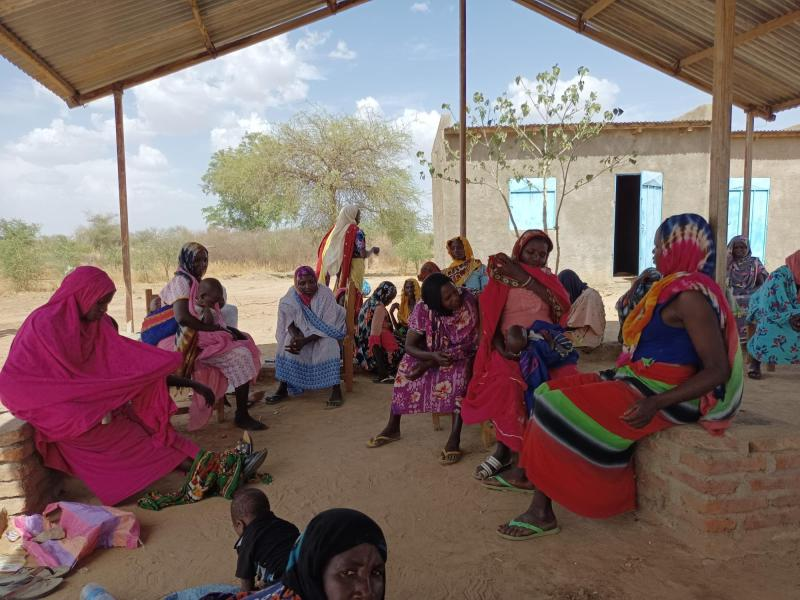
Chad, a landlocked country which straddles the Sahel and Central Africa, is deeply affected by interlocking, multidimensional crises. As of November 2024, over 910,000 displaced persons, including Sudanese refugees, Chadian returnees, and other nationals fleeing conflict in Sudan, have sought refuge in eastern Chad, a region which already hosted 400,000 Sudanese refugees prior to the ongoing Sudan crisis (UNHCR, 2024; IOM DTM, 2024). Among returnees, 67 per cent are children and 88 per cent of households are headed by women, creating distinct context-specific vulnerabilities (IOM DTM, 2024).The arrival of large flows of recently displaced populations has placed significant pressure on fragile local resources and services such as water, education, and health. A year and a half since the beginning of the crisis, the prolonged nature of displacement suggests that these strains on resources will only grow in 2025, as critical needs for water and sanitation, shelter, health services, education, and protection remain urgent for both displaced populations and host communities.
Additionally, the Lake Chad Basin faces compounded structural vulnerabilities, including rapid demographic growth, entrenched poverty, political fragility, criminal activity, and the escalating impacts of climate change. These factors have intensified socio-political tensions and contributed to conflicts that span generations and communities. Since 2014, violent extremist organizations (VEOs), particularly Boko Haram-affiliated and splinter groups, have further amplified the region’s instability, undermining populations’ resilience and diminishing long-term development prospects.
Chad has been heavily impacted by flooding causing extensive damage. Torrential rains and flooding have killed 576 people and left 1.9 million homeless in the country since July 2024. The capital N’Djamena has weathered better in 2024, despite heavy rainfall and exceptional flooding of the Chari and Logone rivers.
Chad – Floods trigger more displacements than in the past 15 years combined
Chad is the world’s most vulnerable country to climate change, and internal displacement is becoming one of its most visible impacts. The country was still recovering from devastating flooding in 2022 when it was hit by the worst floods in decades in the second half of 2024. They triggered more than 1.3 million internal displacements, by far the highest disaster displacement figure on record for the country and more than in the previous 15 years combined. The disaster left nearly 1.2 million people living in displacement as of the end of the year.
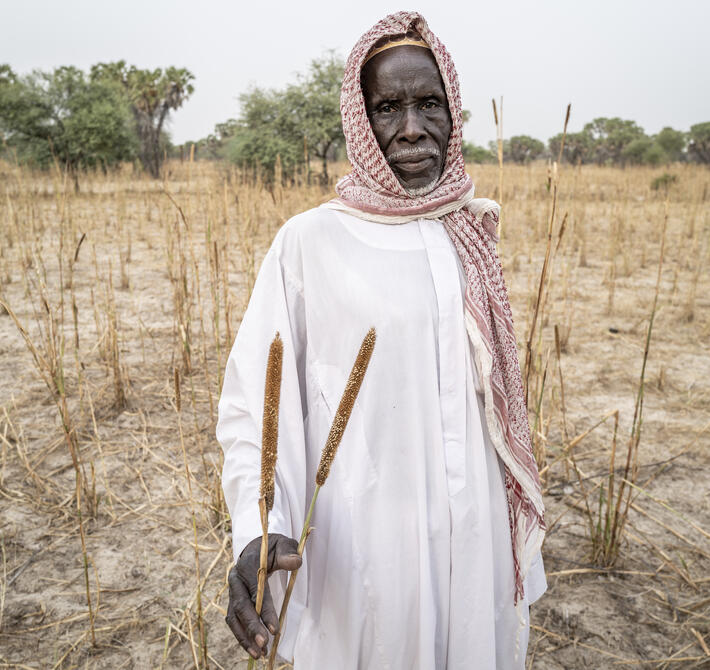
Several factors explain the extent of the devastation the disaster wrought. Above-average rainfall across the country during the rainy season inundated more than 13.9 million hectares of land, including 1.9 million hectares of cropland, undermining the livelihoods of thousands of people who relied on rainfed agriculture and forcing them to flee. The floods also worsened food insecurity because they took place at a critical time in the planting season for staple crops including maize, rice, millet and sorghum.
Roads were submerged, damaged or destroyed, hampering the delivery of much-needed humanitarian aid to vulnerable groups, including internally displaced women and children, who were among the worst affected. Large areas of the country were underwater for days and in some cases weeks, contaminating water sources and heightening the risk of waterborne diseases.
Food insecurity and water and sanitation challenges were already on the rise in the east of the country before the floods, which damaged and destroyed shelters and other facilities for the displaced, aggravating further an existing health crisis.

Internal displacement took place across nearly all 23 of the country’s provinces, but Mandoul, Mayo Kebbi Est, Borkou and Lac accounted for more than half of all the movements reported. Nearly 218,000 homes had been destroyed across the country as of 1 October, prolonging the plight of many of those displaced.
Urban areas were not spared. In the capital, N’Djamena, the Logone river was at its highest level in more than 30 years, reaching more than eight metres in early October. Thanks to previous investments in water management 57,000 displacements were recorded there, more than a quarter of those recorded in 2022.
The extent of the floods prompted the government to issue a decree in early August setting up a National Committee for Flood Prevention and Management tasked with coordinating humanitarian response efforts. The International Charter Space and Major Disasters was also activated for the country in the same month, providing satellite imagery to inform aid operations. Several government institutions and humanitarian organisations conducted assessments across the country, which helped to identify IDPs’ most pressing needs.
As the floods persisted during the following weeks, the Humanitarian Country Team activated the Anticipatory Action Framework to mitigate their impacts and allocated further funding to prevent the crisis from worsening.
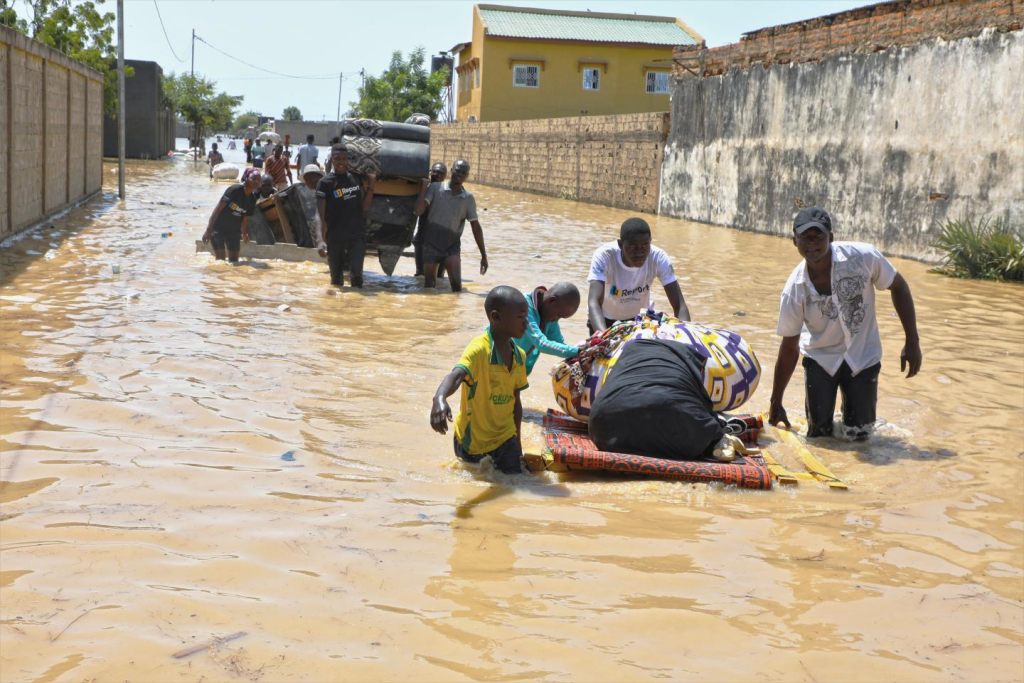
Floods in the Chadian capital: a disaster of unprecedented magnitude | UNICEF Chad
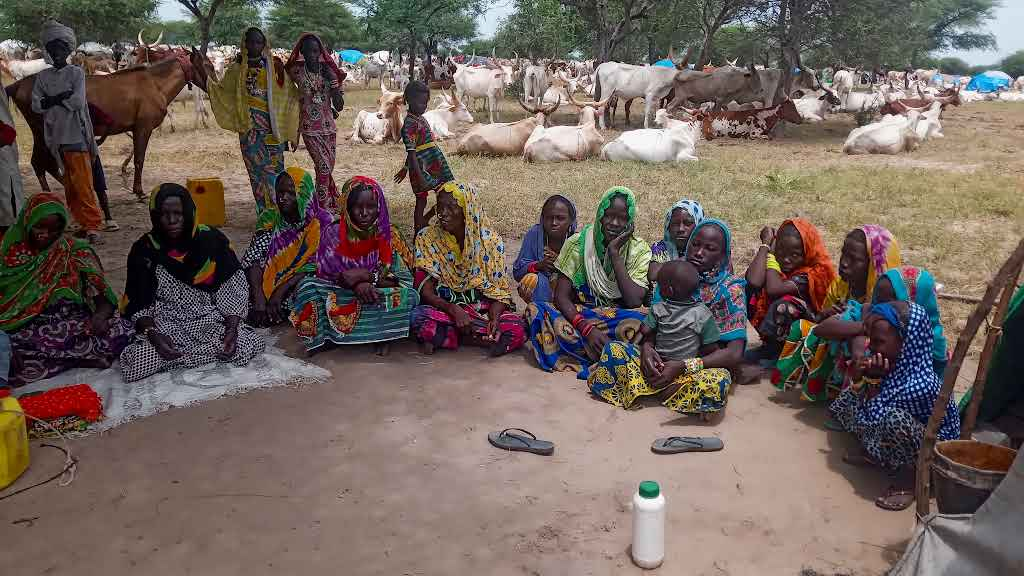
Drought and floods leave Chad herders without food, milk | Reuters