Climate Risk and Vulnerabilities of Mexico
Riesgos climáticos y vulnerabilidades de México
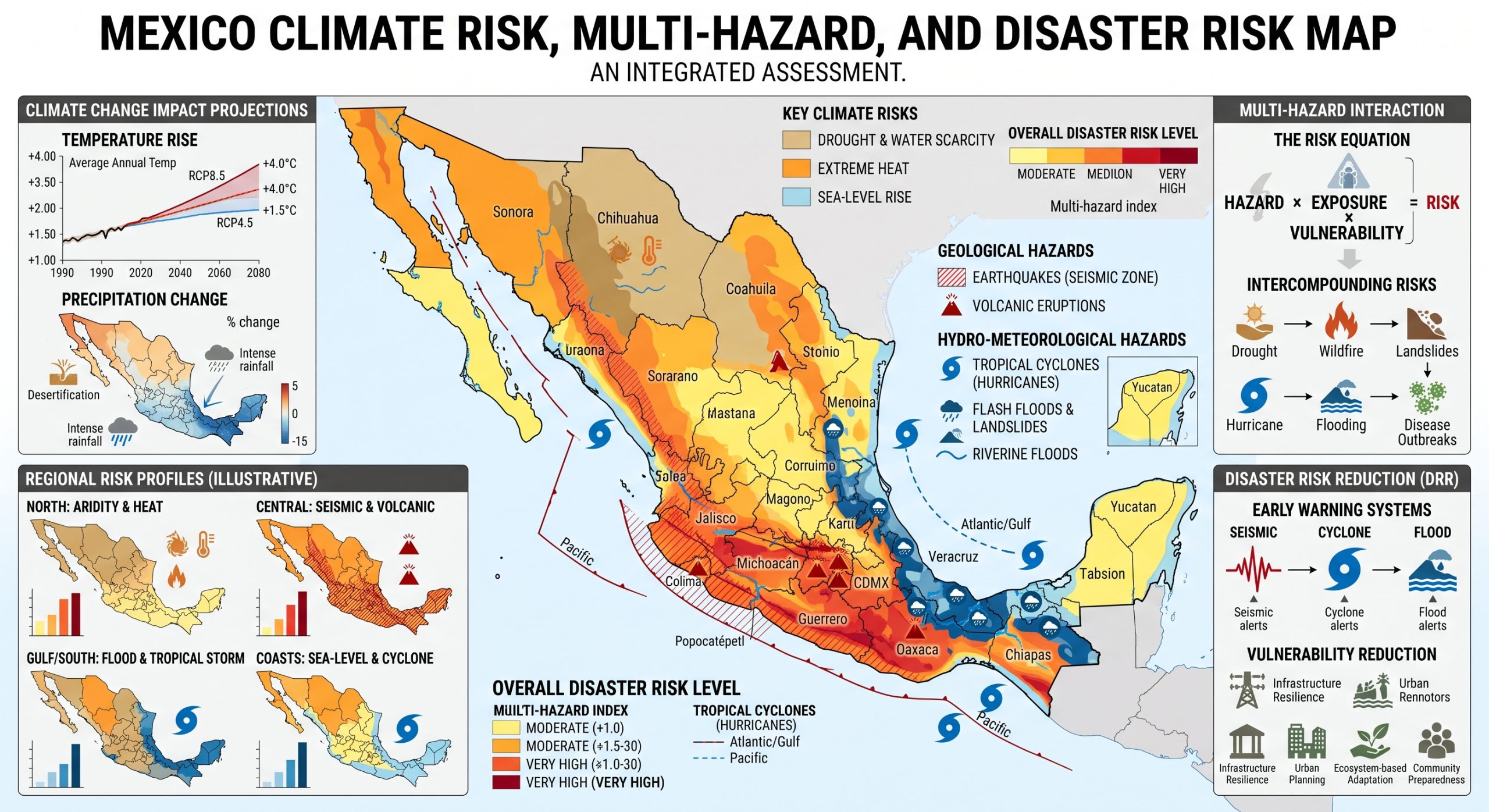

Mexico is highly vulnerable to climate change and multi-hazard risks due to its exposure to earthquakes, volcanic eruptions, hurricanes, tropical storms, floods, landslides, droughts, heatwaves, wildfires, coastal erosion, sea-level rise, and water scarcity. Its large and diverse geography, long coastlines, seismic and volcanic setting, arid and semi-arid regions, major urban centers, and dependence on climate-sensitive sectors increase the scale and complexity of risk. Climate change is expected to intensify these vulnerabilities through rising temperatures, changing rainfall patterns, more severe droughts and floods, increasing water stress, sea-level rise, coastal degradation, and ecosystem disruption. Strengthening multi-hazard early warning systems, water security, climate-resilient agriculture, coastal adaptation, resilient infrastructure, urban risk reduction, ecosystem-based adaptation, and disaster risk financing is essential to reduce losses and protect Mexico’s development gains.
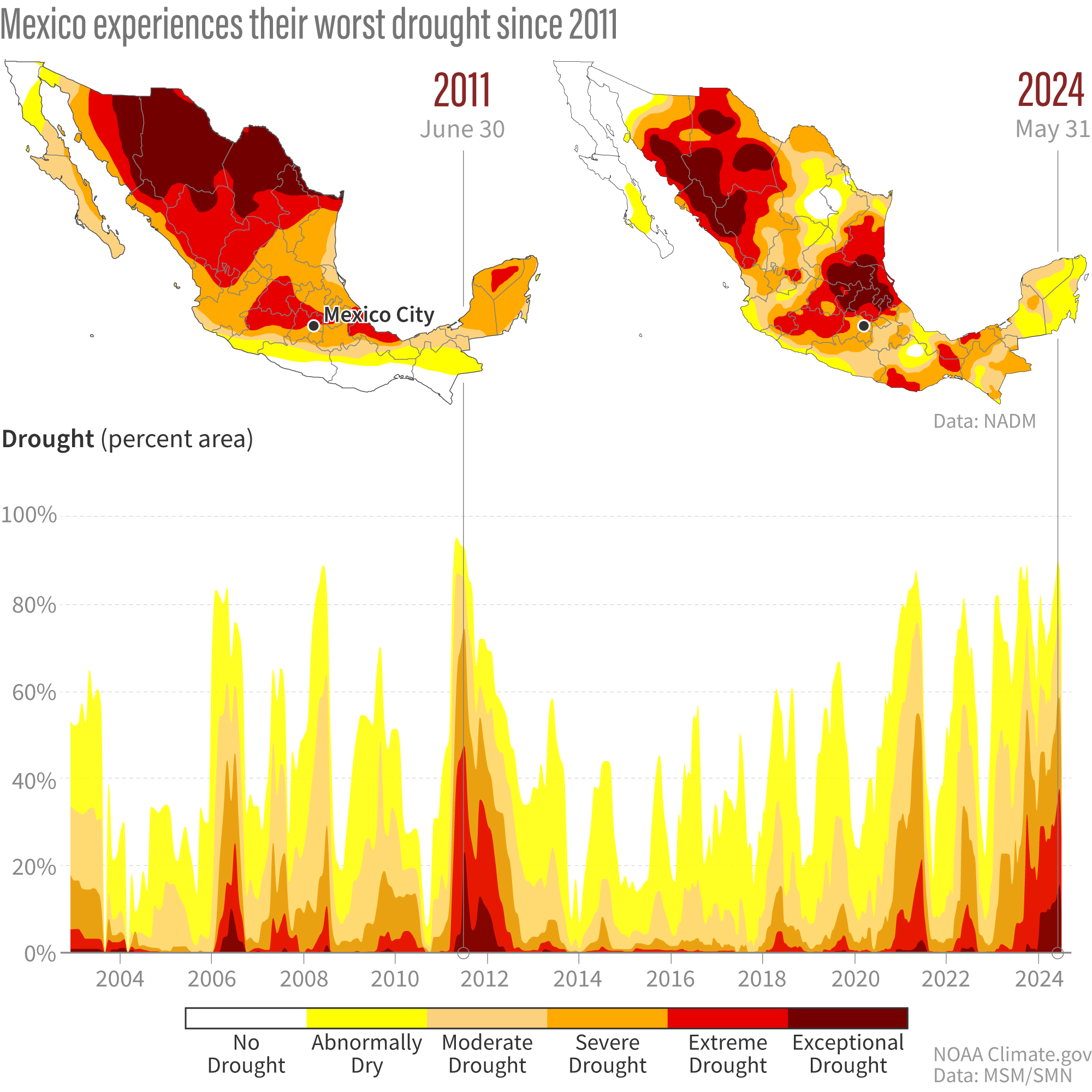


Climate risk and vulnerabilities of Mexico
Mexico is highly exposed to a complex climate and multi-hazard risk environment due to its large territory, long Pacific, Gulf of Mexico, and Caribbean coastlines, active seismic and volcanic setting, arid and semi-arid regions, major river basins, large urban centers, and high dependence on climate-sensitive sectors such as agriculture, water resources, tourism, fisheries, and ecosystems. GFDRR notes that more than 40% of Mexico’s territory and nearly one-third of its population are exposed to hurricanes, storms, floods, earthquakes, and volcanic eruptions; it also estimates that 30% of GDP is at risk from three or more hazards and 71% of GDP from two or more hazards. (GFDRR)
1. Multi-hazard exposure
Mexico faces both geophysical hazards and hydrometeorological hazards. Major risks include earthquakes, volcanic eruptions, hurricanes, tropical storms, floods, landslides, droughts, heatwaves, wildfires, coastal erosion, sea-level rise, and storm surge. Mexico is also one of the world’s more seismically active countries, with frequent earthquakes linked to its location along major tectonic boundaries. (GFDRR)
The country’s risk pattern is geographically diverse. The Pacific and Gulf/Caribbean coasts are exposed to hurricanes, tropical storms, storm surge, coastal flooding, and erosion. The south and central regions face high earthquake and volcanic risk. The north, northwest, and central plateau are highly exposed to drought, water scarcity, heat stress, and wildfire risk. Mountainous areas and steep watersheds face recurrent landslide and flash-flood risks during intense rainfall.
2. Climate change as a risk multiplier
Climate change is increasing Mexico’s vulnerability by intensifying heat, altering rainfall patterns, increasing drought pressure, worsening water stress, and raising the likelihood of more severe flood and drought events. The World Bank Climate Change Knowledge Portal notes that both flooding and drought in Mexico are likely to occur with greater intensity and frequency in the future, although they remain strongly influenced by ENSO variability. (Climate Change Knowledge Portal)
UNDP also identifies Mexico as particularly vulnerable to climate change impacts, including rising sea surface temperature in the Gulf of Mexico, sea-level rise affecting coastal areas and inland basins, possible intensification of hurricanes, changes in precipitation cycles, and net decreases in water runoff. (Adaptation UNDP)
3. Key climate vulnerabilities
Water security is one of Mexico’s most critical climate risks. Drought, over-extraction of aquifers, reduced runoff, inefficient irrigation, urban water demand, pollution, and rainfall variability create pressure on households, agriculture, industry, ecosystems, and major metropolitan areas. Water stress is especially important in northern, central, and semi-arid regions.
Agriculture and rural livelihoods are highly vulnerable to drought, heat stress, irregular rainfall, pests, soil degradation, and water scarcity. Climate impacts can reduce crop yields, affect livestock productivity, increase irrigation demand, and undermine food security, particularly for smallholder farmers, Indigenous communities, rainfed producers, and rural households with limited adaptive capacity.
Coastal zones and tourism areas are exposed to sea-level rise, coastal erosion, storm surge, hurricanes, coral reef degradation, saltwater intrusion, and damage to coastal infrastructure. The Gulf of Mexico and Caribbean coastal zones are especially vulnerable to sea-level rise, with Veracruz, Tabasco, Campeche, and Quintana Roo frequently highlighted as high-risk coastal areas. (cakex.org)
Urban areas and infrastructure face risks from floods, drainage failures, heatwaves, landslides, earthquakes, water shortages, and service disruption. Mexico’s large cities are particularly vulnerable where rapid urbanization, informal settlements, poor drainage, exposed transport corridors, and aging water infrastructure overlap with hazard-prone locations.
Ecosystems and biodiversity are vulnerable to drought, forest fires, ocean warming, coastal degradation, coral bleaching, deforestation, desertification, and land-use change. These ecosystem risks directly affect water regulation, agriculture, fisheries, tourism, disaster protection, and community livelihoods.
Social vulnerability is concentrated among poor households, informal settlements, Indigenous peoples, smallholder farmers, rural workers, women-headed households, older persons, people with disabilities, coastal communities, and populations living in drought-prone, flood-prone, landslide-prone, seismic, or volcanic zones. Mexico’s updated climate strategy emphasizes environmental justice, inclusion, ecosystem protection, and the needs of socially and climatically vulnerable groups. (Climate Laws)
4. Sector-specific risk summary
| Sector | Main climate and hazard risks |
|---|---|
| Water resources | Drought, aquifer depletion, reduced runoff, urban water scarcity, poor recharge, water-quality decline |
| Agriculture and livestock | Heat stress, drought, rainfall variability, pests, soil degradation, irrigation pressure |
| Coastal zones | Sea-level rise, coastal erosion, hurricanes, storm surge, saltwater intrusion |
| Urban settlements | Flooding, drainage failure, heatwaves, landslides, water shortages, informal settlement exposure |
| Transport and infrastructure | Earthquakes, floods, landslides, hurricane damage, road and bridge disruption |
| Tourism | Coastal erosion, hurricanes, coral reef degradation, water scarcity, ecosystem damage |
| Ecosystems and forests | Drought, wildfire, biodiversity loss, deforestation, desertification, coral bleaching |
| Public health | Heat stress, waterborne diseases, vector-borne disease risks, air-quality impacts from wildfire |
5. Priority resilience needs
Mexico’s climate and disaster resilience agenda should prioritize multi-hazard early warning systems, drought monitoring, flood forecasting, seismic and volcanic risk monitoring, resilient water-resource management, climate-smart agriculture, coastal-zone adaptation, resilient urban drainage, heat-action planning, ecosystem-based adaptation, wildfire management, risk-informed land-use planning, and disaster risk financing.
Mexico is also advancing adaptation planning. A Green Climate Fund proposal approved in 2025 supports development of Mexico’s National Adaptation Plan as an “umbrella” policy framework to strengthen adaptation policy, finance, capacity, implementation, and monitoring. (greenclimate.fund)
Coordinación Nacional de Protección Civil

Origins and evolution
Civil protection in Mexico has evolved significantly, with an increasing focus on prevention. The Mexican government has promoted the transition from a reactive model to comprehensive risk management, prioritizing preventative actions to reduce the population’s vulnerability
http://www.proteccioncivil.cdmx.gob.mx/
https://cnpcinforma.sspc.gob.mx
What is risk management?
The National Coordination of Civil Protection, through the General Directorate for Risk Management (DGGR) , coordinates the different budgetary instruments related to disaster prevention and assistance to the affected population, and promotes the reconstruction of public infrastructure damaged by a natural threat.
The Government of Mexico allocates sufficient budgetary resources for:
- To prevent, mitigate or reduce the effects of a disaster, through co-financed projects.
- To assist the affected population by delivering relief supplies and assistance.
- Promote the reconstruction of roads, schools and hospitals, among other federal infrastructure projects.
The DGGR participates in three stages of Comprehensive Risk Management:
- Prevention
- Help
- Reconstruction
For more information, please visit the microsite of:
- General Directorate for Risk Management:http://dggr.cenapred.unam.mx/portal/inicio
- General Regulations: http://dggr.cenapred.unam.mx/portal/normatividadg
Actions
The Natural Disaster Prevention Fund Program (FOPREDEN) is a federal budget program that provides seed funding to government ministries, universities, federal research centers, and state and municipal governments to carry out actions to reduce disaster risks and prevent or mitigate their effects on the lives and property of the population, public services, and the environment. Its resources come from General Branch 23, “Salary and Economic Provisions,” of the Federal Expenditure Budget for each fiscal year.
- Fopreden regulations: http://dggr.cenapred.unam.mx/portal/normatividadf
- Preventive Projects: http://dggr.cenapred.unam.mx/portal/datosp
- FOPREDEN access formats: http://dggr.cenapred.unam.mx/portal/formatosp
Help
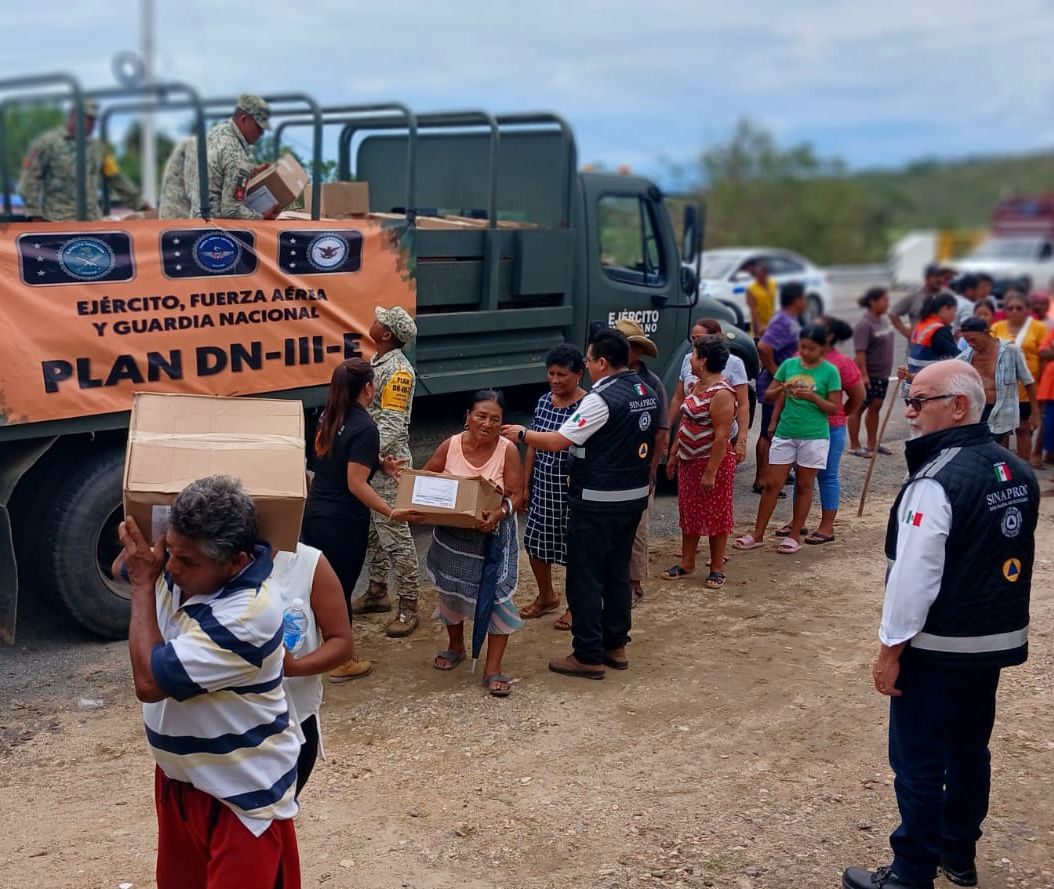
During the relief phase, the National Coordination of Civil Protection, through the General Directorate for Risk Management, and in coordination with federal public administration agencies belonging to the National Civil Protection System, provides humanitarian aid intended to assist the population affected by the effects of natural threats, through the delivery of relief supplies and services, through an Emergency Declaration.
- Emergency Regulations: http://dggr.cenapred.unam.mx/portal/normatividadem
- Emergency Declarations: http://dggr.cenapred.unam.mx/portal/datose
Reconstruction
Reconstruction is addressed through a Disaster Declaration, which will activate the established mechanisms for the Federal Government, through the relevant agencies, to conduct a survey, assessment, and quantification of damages to the public infrastructure under its jurisdiction. Following this, federal agencies may access resources from the program approved under General Branch 23 to address damages caused by natural disasters, in accordance with the provisions issued by the Ministry of Finance and Public Credit.
- Disaster Regulations: http://dggr.cenapred.unam.mx/portal/normatividadre
- Disaster Declarations: http://dggr.cenapred.unam.mx/portal/datosr
- National Risk Atlas
- Tropical Cyclone Early Warning System
- National Weather Service
- Popocatépetl Monitoring
- National Seismological Service
- Mexican Navy Tsunami Alerts
- CONAGUA
- CENAPRED
- Prepared
- Transparency Obligations Portal System (SIPOT)
What is civil protection?
The National Coordination of Civil Protection (CNPC), through the General Directorate of Civil Protection (DGPC) , develops and implements protocols for prevention, preparedness, and response to risks of natural or anthropogenic origin. As part of its functions, the DGPC promotes risk management strategies, monitoring, and immediate response, fostering a culture of prevention and resilience in all sectors of society.
National Emergency Committee
The National Committee is the coordination mechanism to act in emergency and disaster situations caused by the presence of disruptive agents that exceed the response capacity of the federal entities and that put the population, property and the environment at risk.
It is composed of the heads or a representative of the federal government agencies and entities, as well as a representative of the government of the affected state. It is chaired by the Secretary of Security and Citizen Protection or, in their absence, the National Coordinator of Civil Protection, to carry out the analysis of the situation, the assessment of damages and impacts, and the coordination of actions to address the emergency, using resources and institutional programs of the Government of Mexico.
CENACOM
The General Directorate of Civil Protection is in charge of the National Center for Communications and Operations of Civil Protection (CENACOM), which is responsible for maintaining operational communications, alerts and flow of information among the members of the National Civil Protection System, to facilitate the tasks of preparation, assistance and recovery, in the presence of a disruptive phenomenon.
He is also responsible for building and updating the database of historical events to facilitate decision-making during emergency situations.
Another of its functions is to develop computer tools that offer resources, guides and platforms for coordination between civil protection entities and communication with the general public.
What are the Liaison and Coordination (ECO) missions of the National Civil Protection Coordination?
It is the tactical link of the National Coordination of Civil Protection in case of disaster or emergency due to a major event, between the National Civil Protection System (SINAPROC), the agencies of the Federal Public Administration (APF) and the State and Municipal Civil Protection Systems, in order to organize the timely inter-institutional response in the three levels of government to support decision-making in relief actions and quickly achieve the recovery process of the population and the affected areas.
The presence of personnel in the field strengthens response actions to the impact of a disruptive event, by carrying out:
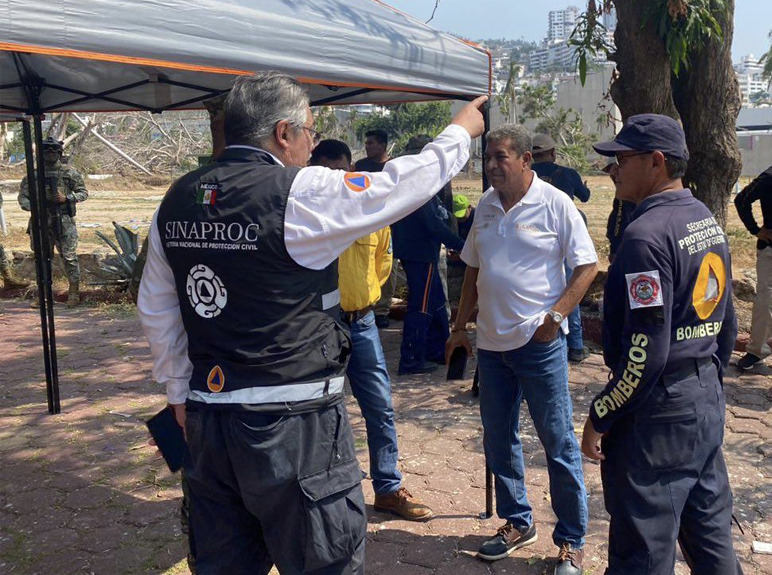
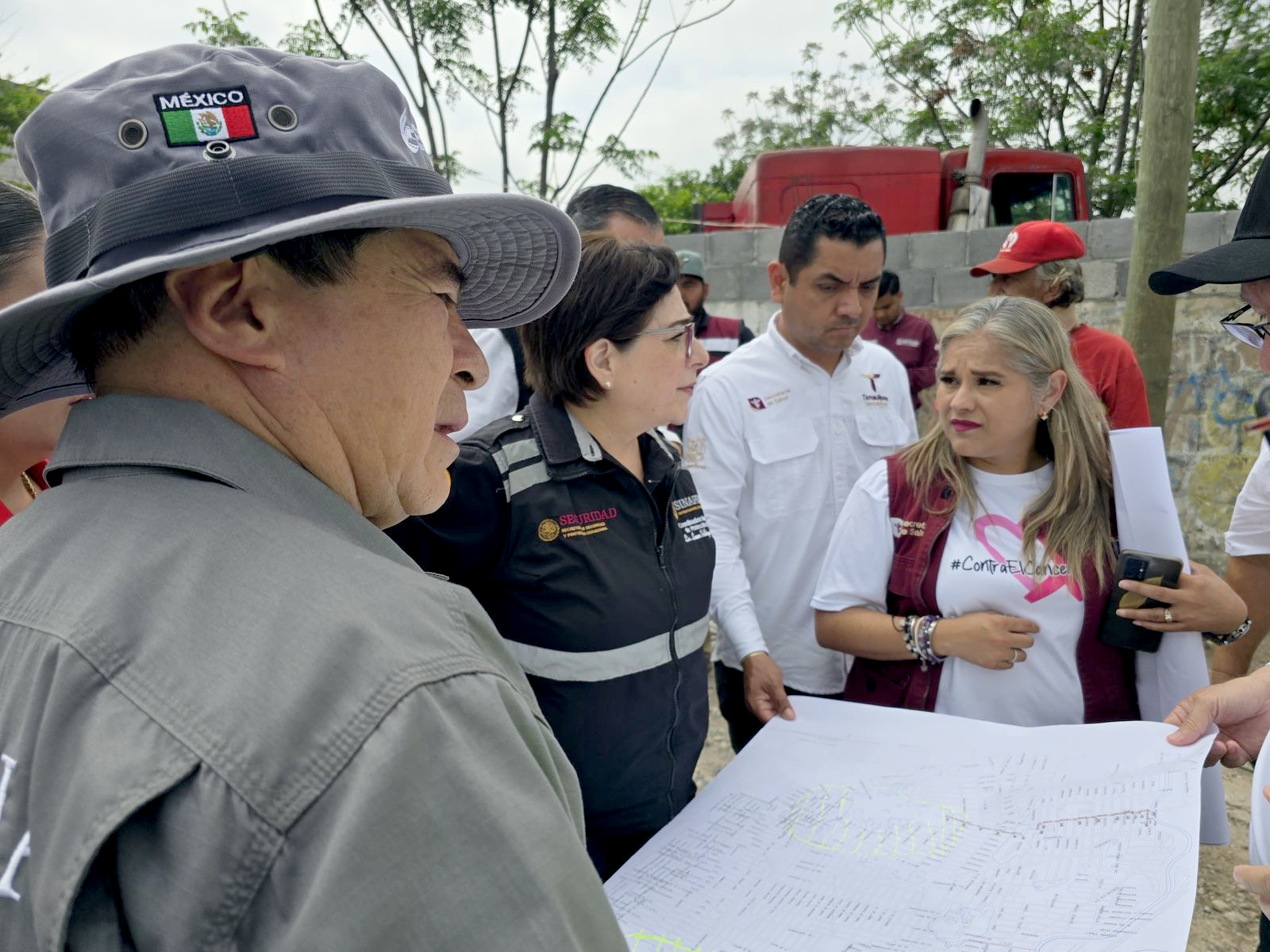
1. Risk communication: Dissemination of alerts, warnings and recommendations to reduce exposure to hazards, through media, social networks and official channels.
2. Implementation of the Incident Command System (ICS): Establishment of the Command Post on site through a structured and centralized organization, where all response actions and resources are coordinated under a single command.
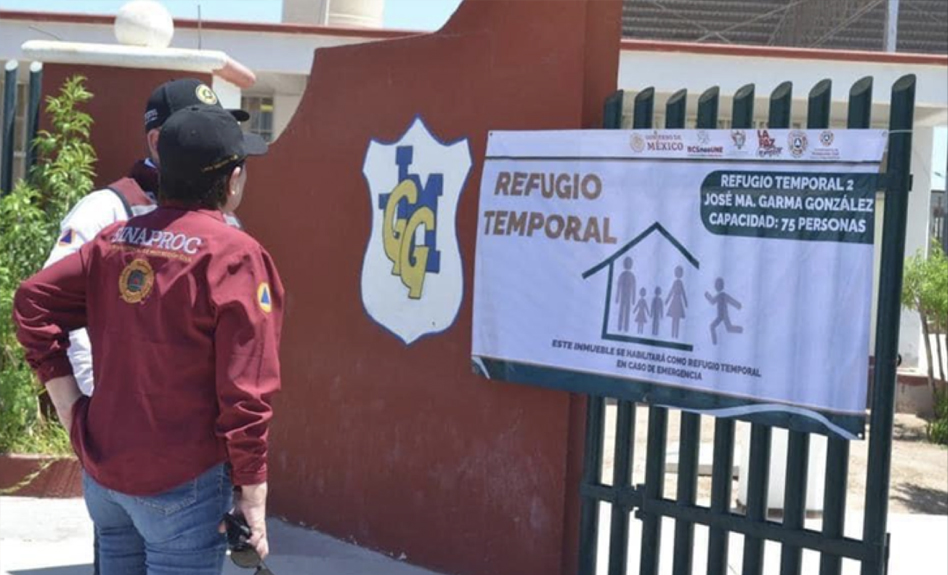
3. Coordination of mitigation and preparedness actions: Alert the population about imminent risks, carry out necessary evacuations and establish temporary shelters for the vulnerable population.
4. Implementation of the activation of State and Municipal Civil Protection Committees: Actively participate in the sessions of the State and Municipal Civil Protection Committees or Councils.
5. Preparation of the Damage Assessment and Needs Analysis (EDAN): Encourage local governments to assess the magnitude of the damage and the short, medium and long-term needs of the affected population.
6. Determination of recovery and reconstruction actions: Coordinate actions at the three levels of government to allow a return to normalcy with reconstruction actions and strategies to address the risk of future disasters.
Temporary shelters
Implement a consultation tool that allows decision-making through the platform: “National System of Registration of Temporary Shelters” in the event of a contingency, emergency or disaster caused by a disruptive agent of natural or anthropogenic origin, for the temporary protection of people, allowing the identification of the property to safeguard the population.
The foregoing is based on the provisions of articles 1; 3 B, section XVIII; 8; 9, sections I, II, III; IV, VII, VIII, XII and XX; 10; 23, section I, II, VI, VII, X, and other related articles of the Internal Regulations of the Ministry of Security and Citizen Protection.
Alerts
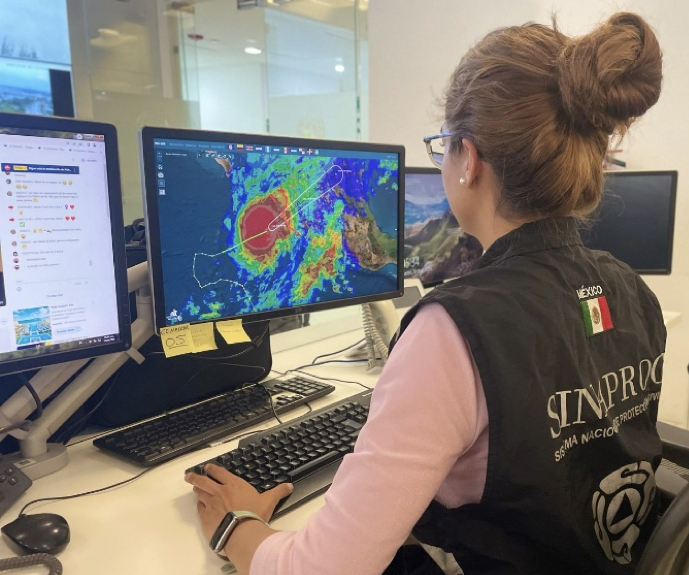
In the event of hydrometeorological phenomena, the General Directorate of Civil Protection conducts constant monitoring and detailed analysis of the potential effects these events could have on the population and the national territory. Based on this information, early warnings are prepared, issued, and disseminated, accompanied by specific recommendations to safeguard lives, protect property, and mitigate the impact on the environment. Additionally, if necessary, the formation of inter-institutional committees is promoted to strengthen operational and response capacity in the face of disruptive events.
This process strengthens coordination among the members of the National Civil Protection System (SINAPROC) to ensure an effective response during the prevention, preparedness, assistance, and recovery phases. It also facilitates the implementation of strategic tools and protocols that optimize decision-making, leading to timely and effective action.
Promotion of the Internal Civil Protection Program
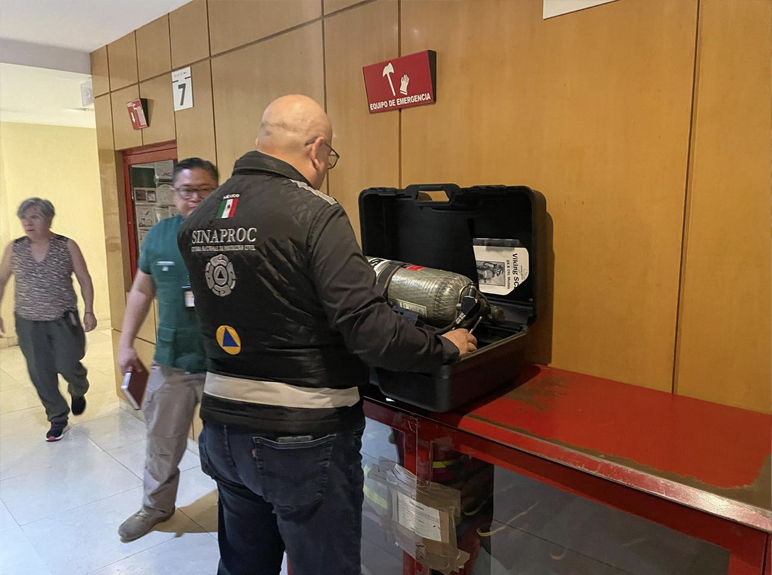
As part of the policies and strategies of the National Civil Protection Coordination, the implementation of Internal Civil Protection Programs is being promoted in the agencies of the Federal Public Administration. This is done through verification visits, desk reviews, and drills, with the aim of identifying and reducing risks, as well as improving preparedness and response to emergencies.
These actions strengthen the capabilities of the Internal Civil Protection Units, allowing for organized and effective action to protect people who work in or visit Mexican government buildings in the event of a risk situation.
Special programs
SPECIAL CIVIL PROTECTION PROGRAMS
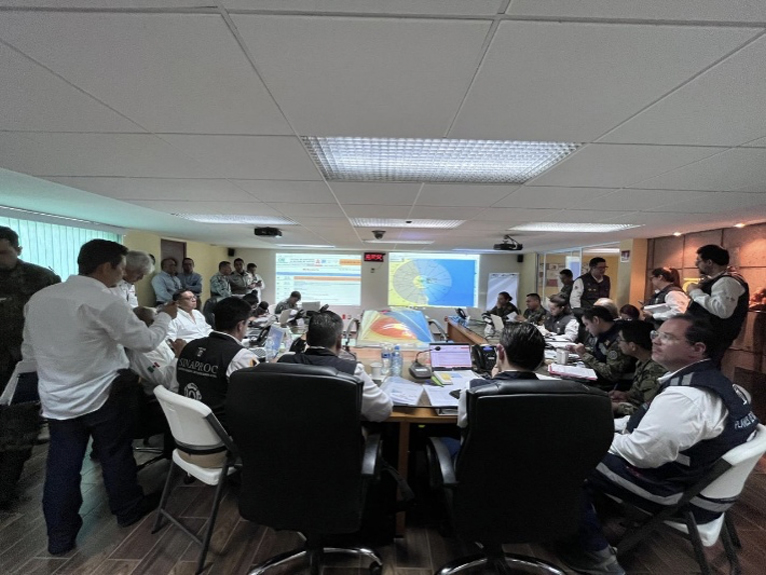
Implement and promote planning instruments in states and municipalities within the framework of Comprehensive Risk Management in order to mitigate previously identified risks and define preventive and timely, appropriate and coordinated response actions to situations of incidents, contingencies, emergencies or disasters caused by a disruptive agent of natural or anthropogenic origin.
The above is based on articles 1; 3 B, section XVIII; 8; 9, sections I, II, III; IV, VII, VIII, XII and XX; 10; 23, section I, II, V, XII and other related articles of the Internal Regulations of the Ministry of Security and Citizen Protection.
STRATEGY TO REDUCE THE RISK FROM HANDLING PYROTECHNIC DEVICES
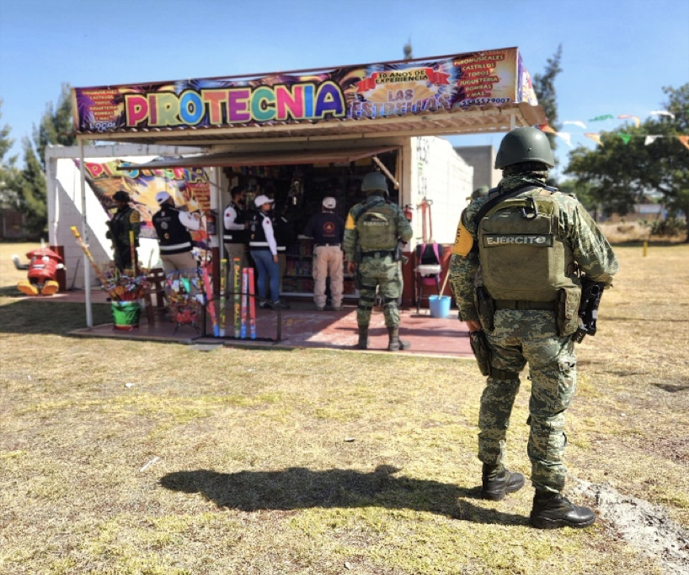
Since 2021, the National Coordination of Civil Protection has been implementing the Strategy to Reduce the Risk from the Handling of Pyrotechnic Devices, which aims to coordinate prevention and mitigation actions with authorities at all three levels of government, to reduce the risk from the handling of pyrotechnic devices, the number of accidents, injuries and deaths, as well as the loss of material goods.
The strategy is carried out through working groups and verification visits with authorities from all three levels of government to georeference sites of pyrotechnics manufacturing, storage and marketing, training in prevention, safety measures and emergency management, promotion for the development of special civil protection programs on pyrotechnics, awareness campaigns (social networks, public address systems, brochures, infographics and wall painting), publication in the Official Gazette of the Federation of the Special Program for the Reduction of Risk from Pyrotechnic Devices, development of the Guide of Safety Measures for Pyrotechnics Markets and the National Map of Information on Pyrotechnics.
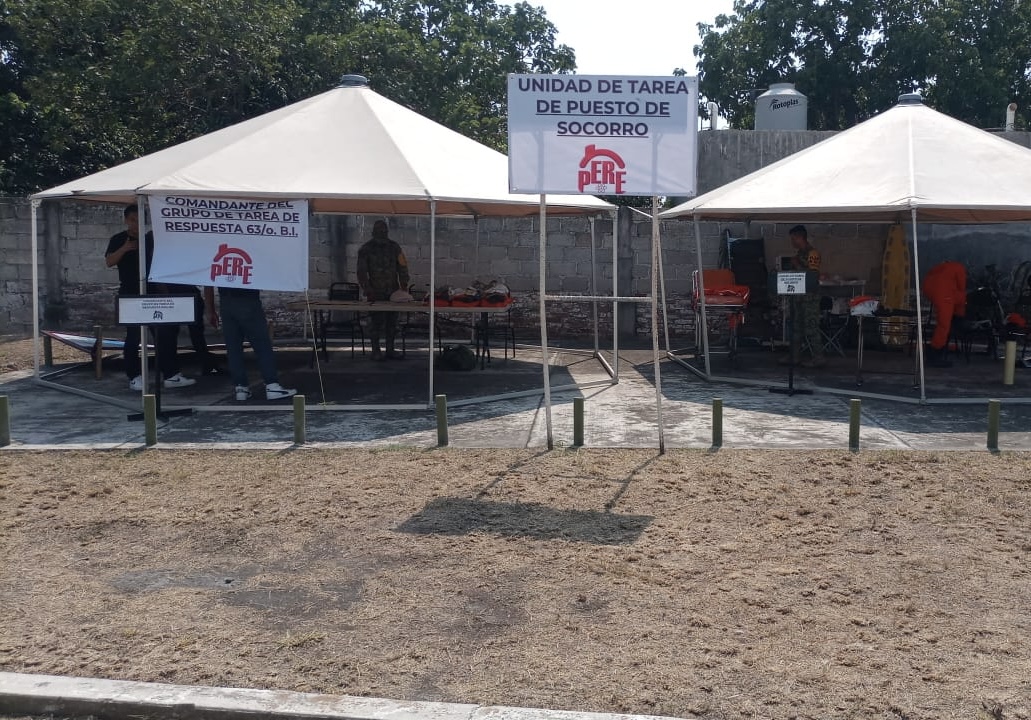
EXTERNAL RADIOLOGICAL EMERGENCY PLAN (PERE)
To ensure the safe operation of the Laguna Verde Nuclear Power Plant (CNLV), an Emergency Plan was implemented to respond effectively to any radiological risk and protect the population. This plant operates under strict national and international safety standards and is a key component of the country’s energy sector, generating approximately 5% of the nation’s electricity.
The External Radiological Emergency Plan (PERE) is coordinated by the National Civil Protection Coordination, through the External Radiological Emergency Planning Committee (COPERE), which it co-chairs with agencies of the Mexican government and the government of the state of Veracruz. Its purpose is to guarantee the protection of people who live or work near the CNLV (National Nuclear Power Plant), in the event of a radiological emergency that could extend beyond the physical boundaries of the facility.
Courses and training
WORKSHOPS ON CIVIL PROTECTION
The General Directorate of Civil Protection offers a series of courses whose objective is to provide tools and knowledge to the members of the National Civil Protection System.
Talks and workshops are also offered to raise awareness and encourage authorities and the population about the causes and consequences of the different phenomena that affect the country, as well as the vulnerabilities that disturb it, and to promote risk identification, forecasting, prevention, mitigation and preparation activities, under the guiding principle of comprehensive disaster risk management.
STATE-LEVEL COURSE OFFERINGS
Navigate this interactive map of the Mexican Republic with direct links to the training catalogs offered by the 32 states of the country, as well as the state’s training and development officers.
National meetings
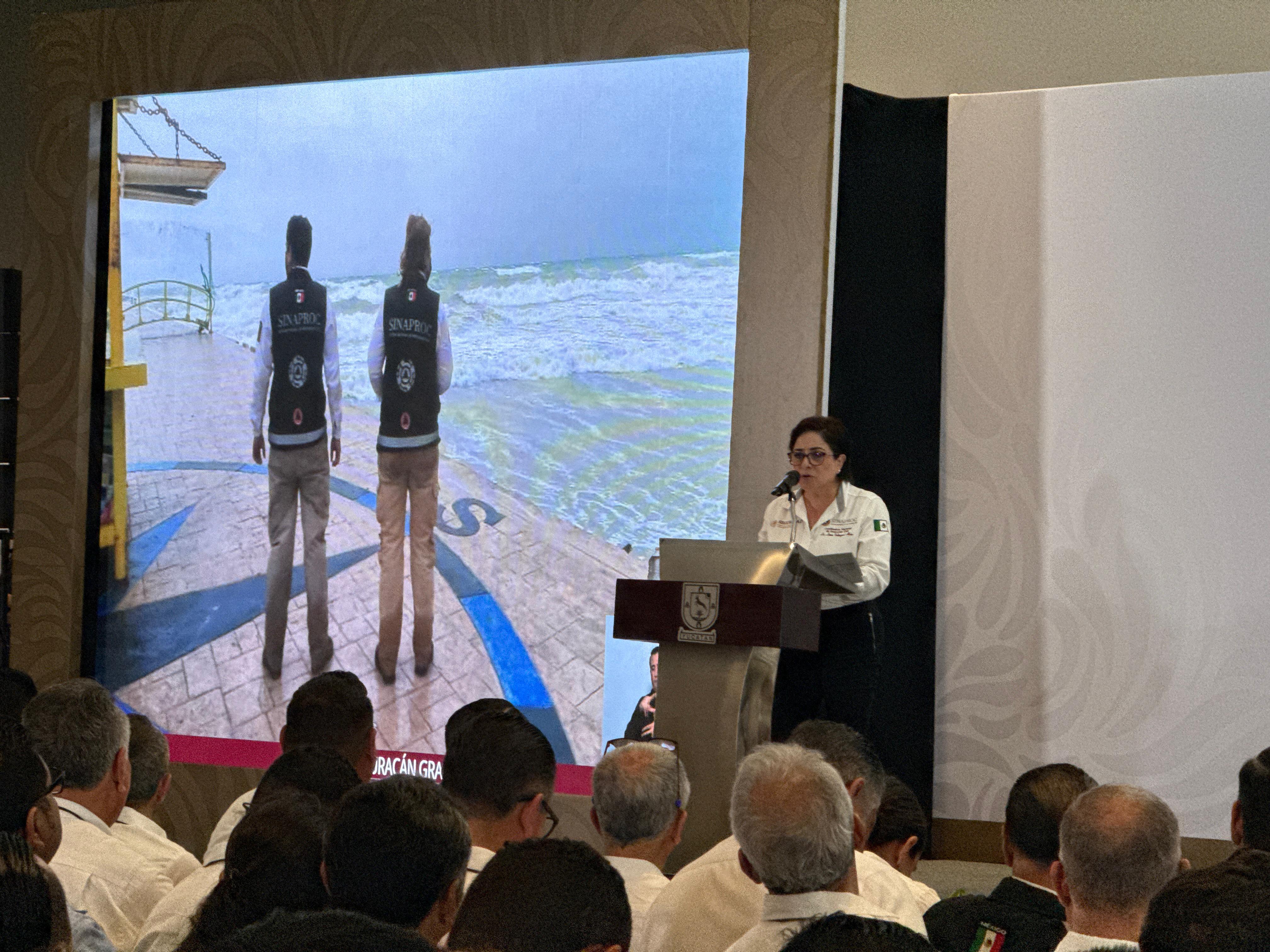
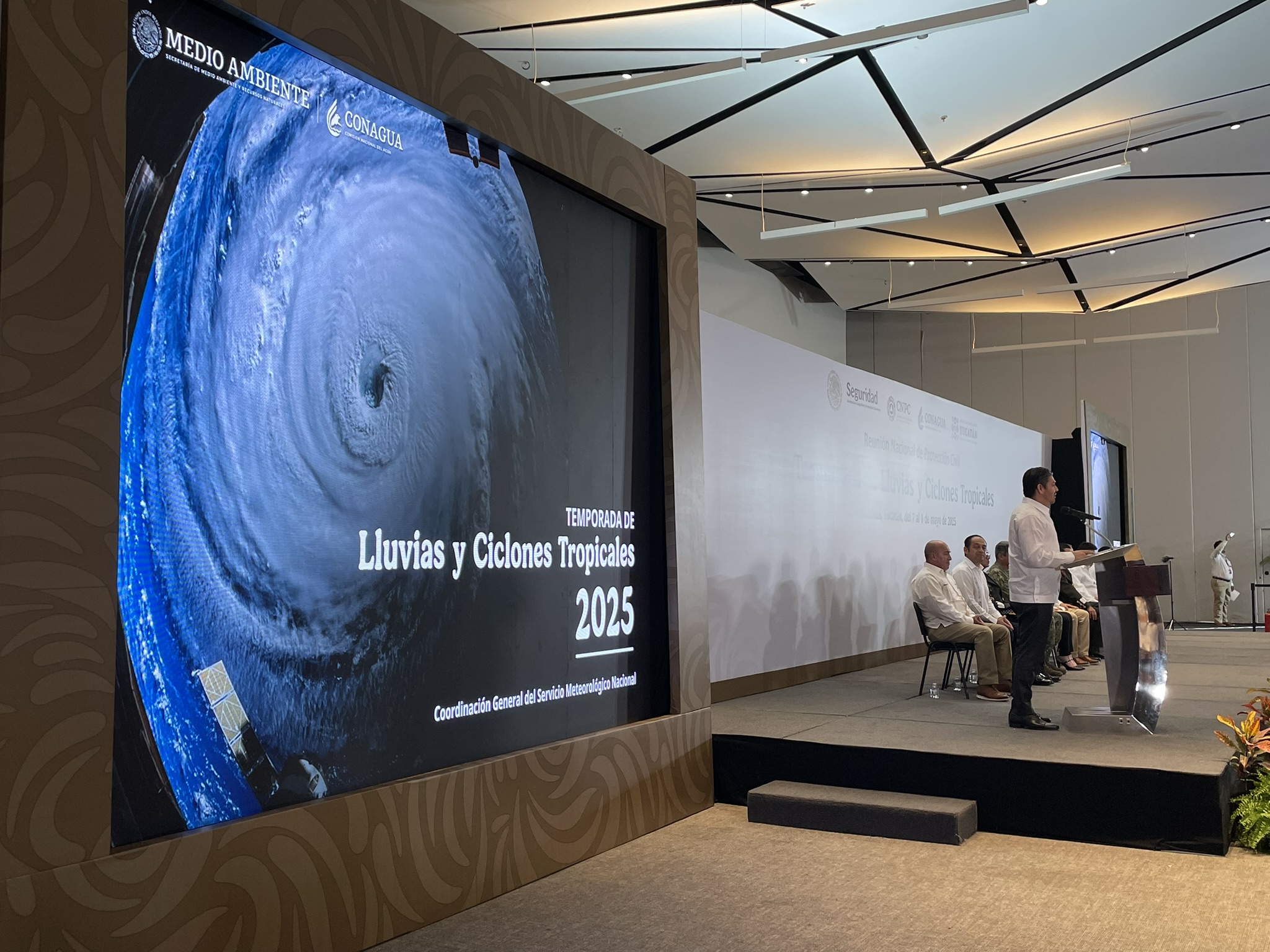
National Civil Protection Meeting for the rainy and tropical cyclone season.
With the arrival of the rainy and tropical cyclone season, the National Coordination of Civil Protection (CNPC) is calling on federal, state, and municipal authorities to strengthen action protocols, update emergency plans, and guarantee the protection of the population and their property.
During the meeting, risk management specialists conduct workshops and lectures on prevention, preparedness and response to hydrometeorological emergencies, addressing key topics such as cyclone monitoring, evacuation protocols, care for vulnerable communities and inter-institutional coordination in crisis situations.
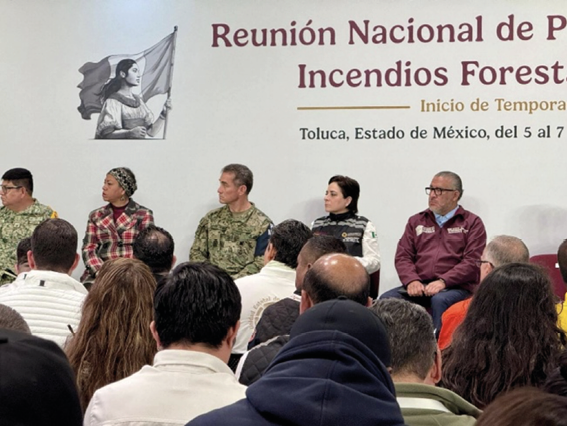
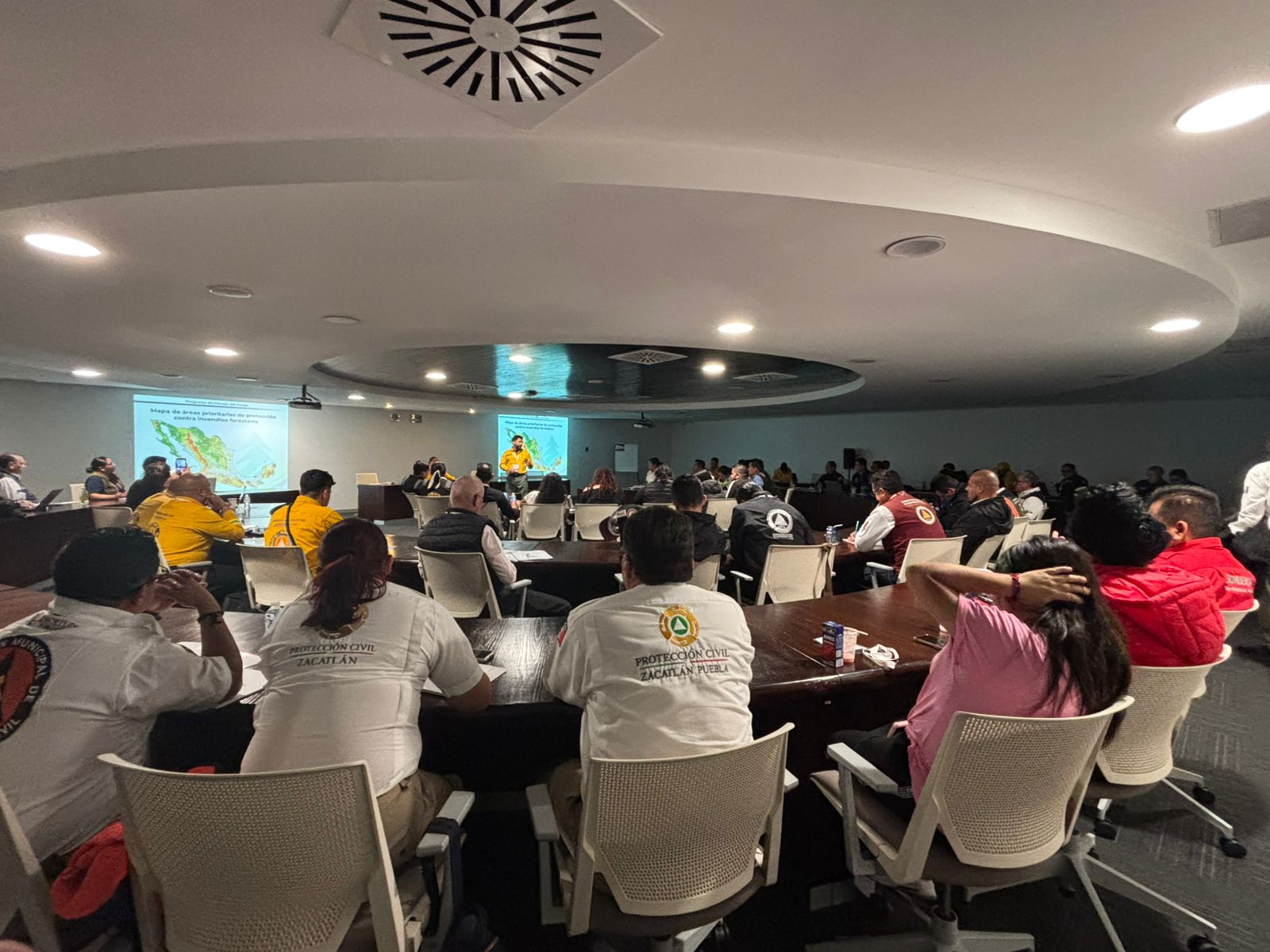
National Civil Protection Meeting against forest fires.This meeting aims to strengthen collaboration among the three levels of government, as well as with various entities such as CONAFOR and SEDENA, to define prevention strategies through public awareness campaigns and the promotion of shared responsibility, as well as for the efficient fighting of fires, using resources such as aerial and ground crews.Courses and workshops are offered on topics such as inclusive disaster risk management and damage assessment, with the goal of responding effectively to emergencies that may arise.