Climate risk and vulnerabilities of Maldives
Maldives is highly exposed and vulnerable to climate change and multi-hazard risks, particularly sea-level rise, coastal flooding, storm surge, coastal erosion, tidal inundation, saltwater intrusion, freshwater scarcity, coral reef degradation, ocean warming, ocean acidification, extreme rainfall, and climate-sensitive health and livelihood impacts. Its vulnerability is shaped by very low island elevations, narrow reef islands, dispersed settlements, dependence on tourism and fisheries, fragile freshwater lenses, coastal infrastructure concentration, and reliance on coral reefs for shoreline protection, biodiversity, food security, and economic activity. Climate change is expected to intensify these vulnerabilities through rising sea levels, more frequent coastal flooding, reef bleaching, salinization of groundwater, infrastructure damage, ecosystem degradation, and growing risks to communities, tourism assets, fisheries, public health, water security, and national development.
Maldives is one of the world’s most climate-vulnerable Small Island Developing States because of its low-lying atoll geography, dispersed island settlements, narrow land area, dependence on coastal and marine ecosystems, freshwater scarcity, tourism-based economy, and exposure to sea-level rise, storm surge, coastal erosion, tidal flooding, saltwater intrusion, coral bleaching, ocean warming, and climate-sensitive livelihood risks. The country consists of about 1,192 islands spread across the Indian Ocean, which creates high logistical, infrastructure, service-delivery, and emergency-response challenges. (visitmaldives)


 1. Multi-hazard exposure
Maldives’ hazard profile is dominated by coastal and ocean-driven risks. The most serious hazards include sea-level rise, coastal erosion, storm surge, tidal flooding, saltwater intrusion, extreme rainfall, swell waves, coral bleaching, and freshwater-lens contamination. Although Maldives is less exposed to large earthquakes or tropical cyclones than some other countries in the region, its very low elevation means that even moderate coastal flooding, storm surge, or wave overtopping can damage homes, roads, harbours, schools, health facilities, water systems, tourism infrastructure, and coastal ecosystems.
The World Bank notes that about 80% of Maldives’ islands sit less than one metre above sea level, making the country exceptionally exposed to sea-level rise and coastal flooding. Sea level is projected to rise by about 0.5 to 0.9 metres by 2100, which could significantly increase flood exposure and damage to infrastructure and ecosystems. (World Bank Blogs)
2. Climate change as an existential and development risk
Climate change is not only an environmental issue for Maldives; it is a national development, fiscal, livelihood, water-security, and territorial-continuity risk. The World Bank’s Maldives Country Climate and Development Report estimates that, without effective adaptation, coastal flooding during typical 10-year flood events could damage up to 3.3% of total national assets by 2050, causing damages of about US$0.7–1.1 billion. (IFC)
The economic implications are severe because climate impacts threaten the country’s two most important economic pillars: tourism and fisheries. The World Bank states that strategic adaptation investments could nearly halve the projected GDP impact of sea-level rise, reducing the loss from about 11 percentage points under a high-emissions scenario to below 6 percentage points with sustained adaptation and reconstruction investments. (World Bank)
3. Coastal erosion, flooding, and sea-level-rise vulnerability
Coastal erosion is already one of the most visible and persistent climate risks in Maldives. Many inhabited islands and resort islands require coastal protection, beach nourishment, harbour protection, drainage upgrades, or land elevation measures. Sea-level rise increases the baseline water level, making storm surge, high tides, swell waves, and wave overtopping more damaging.
Key coastal vulnerabilities include:
| Exposure area | Main climate-risk pathways |
|---|---|
| Inhabited islands | Coastal erosion, tidal flooding, saltwater intrusion, housing and road damage |
| Malé and urban islands | High population density, limited land, drainage stress, coastal-defence dependence |
| Tourism islands | Beach erosion, coral reef degradation, asset damage, water stress |
| Outer islands | Limited emergency access, weak infrastructure, high exposure to wave overtopping |
| Harbours and jetties | Wave damage, sedimentation, service disruption, transport isolation |
| Critical facilities | Schools, health centres, power systems, water systems, and waste sites exposed near coasts |
The Government of Maldives’ National Adaptation Plan project recognizes that the country’s small, low-lying atoll islands make it extremely vulnerable to climate change, particularly coastal erosion and sea-level rise. (mote.gov.mv)
4. Freshwater security and saltwater intrusion
Freshwater security is one of Maldives’ most critical adaptation challenges. Most islands depend on small and fragile underground freshwater lenses, rainwater harvesting, desalination, or imported water during emergencies. Sea-level rise, storm surge, flooding, erosion, and over-extraction can contaminate groundwater with saltwater, making freshwater unsafe or unreliable.
UNDP notes that rising sea levels threaten Maldives’ scarce freshwater resources because saltwater intrusion is gradually encroaching into the islands’ small underground freshwater lenses. (Adaptation UNDP) This creates major risks for drinking water, sanitation, health, food preparation, schools, health facilities, tourism operations, and household resilience during drought or post-disaster periods.
5. Coral reef, fisheries, and ecosystem vulnerability
Coral reefs are central to Maldives’ survival and economy. They provide natural coastal protection, support fisheries, sustain tourism, maintain biodiversity, and help stabilize reef islands. However, reefs are highly vulnerable to ocean warming, coral bleaching, ocean acidification, pollution, sedimentation, and physical damage from coastal development.
The World Bank warns that nearly all shallow coral cover could be lost if global temperatures exceed 2°C, threatening essential ecosystem services and the tourism sector. (World Bank) UNDP also identifies coral reefs in Maldives as being at risk from gradual seawater warming and pollution. (Adaptation UNDP)
Fisheries are also climate-sensitive. Tuna and reef fisheries depend on ocean conditions, currents, reef health, fish migration patterns, and marine productivity. Climate-driven ocean warming and ecosystem disruption can affect fish availability, fishing livelihoods, food security, exports, and coastal community income.
6. Tourism and economic vulnerability
Tourism is highly exposed because resorts, airports, jetties, beaches, lagoons, dive sites, utilities, waste systems, and staff housing are mostly located close to the shoreline. Coastal erosion, coral bleaching, flooding, water scarcity, extreme rainfall, and infrastructure disruption can reduce tourism attractiveness and increase operating costs.
Climate impacts on tourism can create cascading fiscal risks because tourism is a major source of employment, foreign exchange, public revenue, and private investment. If beaches erode, reefs degrade, or infrastructure becomes repeatedly damaged, the country’s economic resilience is directly affected.
7. Health and social vulnerability
Climate change can affect public health through heat stress, water shortages, contaminated drinking water, diarrhoeal disease, vector-borne disease risk, mental stress after repeated flooding, and disruption of health services on small islands. Vulnerability is highest among children, older persons, people with disabilities, low-income households, women-headed households, outer-island communities, people dependent on fisheries, and communities living on highly eroding or flood-prone islands.
Because Maldives is geographically dispersed, disaster response and health access can be difficult during rough seas, storm events, harbour damage, or transport disruption. This makes last-mile early warning, emergency logistics, resilient health facilities, safe water storage, and island-level preparedness especially important.
8. Sector-specific vulnerability summary
| Sector | Main climate and multi-hazard risks |
|---|---|
| Coastal settlements | Sea-level rise, coastal flooding, erosion, tidal inundation, storm surge |
| Water resources | Saltwater intrusion, groundwater contamination, drought, flood contamination, desalination dependence |
| Tourism | Beach erosion, coral bleaching, asset damage, water stress, service disruption |
| Fisheries | Ocean warming, reef degradation, fish migration changes, storm impacts, livelihood losses |
| Coral reefs and ecosystems | Bleaching, acidification, pollution, sedimentation, biodiversity loss |
| Transport and connectivity | Harbour damage, rough seas, jetty disruption, inter-island access constraints |
| Health | Heat stress, waterborne disease, vector-borne disease, service disruption |
| Public finance | High adaptation costs, disaster recovery costs, infrastructure protection needs |
9. Priority resilience needs
Maldives’ resilience agenda should prioritize multi-hazard early warning systems, coastal inundation forecasting, sea-level-rise monitoring, coastal protection, nature-based coastal adaptation, coral reef conservation, freshwater security, desalination resilience, rainwater harvesting, flood-safe WASH systems, climate-resilient tourism, fisheries adaptation, resilient harbours, risk-informed land-use planning, disaster risk financing, and island-level preparedness.
A practical resilience package should include:
| Priority area | Key actions |
|---|---|
| Early warning and anticipatory action | Coastal flooding, swell wave, storm surge, heavy rainfall, heat, and water-security alerts |
| Coastal resilience | Shoreline monitoring, beach nourishment, elevated infrastructure, seawalls where necessary, reef-based protection |
| Freshwater security | Rainwater harvesting, groundwater protection, desalination backup, emergency water storage |
| Ecosystem-based adaptation | Coral reef restoration, mangrove protection, seagrass conservation, lagoon protection |
| Tourism resilience | Climate-risk screening of resorts, resilient utilities, water efficiency, reef-safe operations |
| Fisheries resilience | Climate-informed fisheries management, livelihood diversification, harbour protection |
| Urban and island planning | Safer-island planning, elevated land where viable, drainage upgrades, waste-site protection |
| Risk financing | Contingency finance, insurance, adaptation finance, resilient recovery mechanisms |
National Disaster Management Authority (NDMA) Maldives
How Early Warnings For All Helps To Reduce The Vulnerability of Maldives
22 August 2023
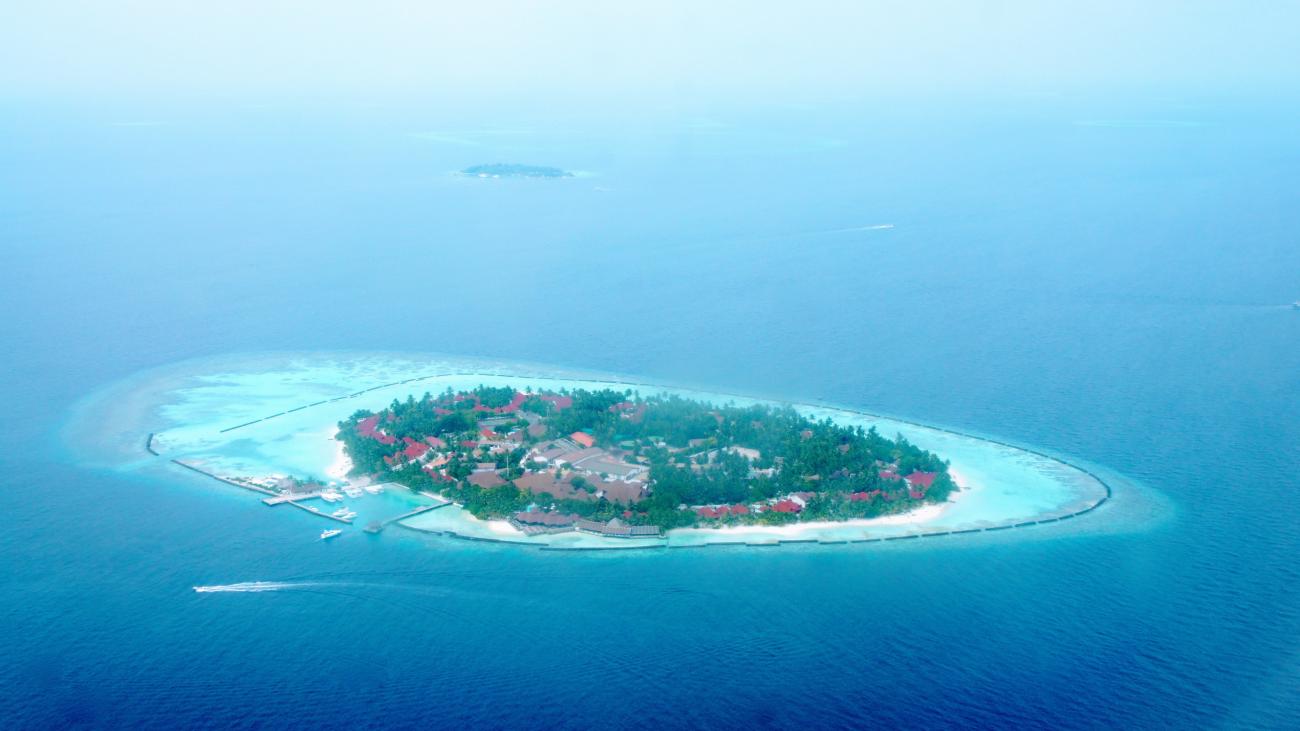
Key Takeaways from the First National Consultation on Early Warnings for All in Maldives
The MALDIVES is a low-lying island nation comprised of an estimated 1,192 islands separated into 26 natural atolls, of which 187 islands are inhabited, spread across 90,000 square kilometers in the Indian Ocean. The country and its people face every day the constant risk of climate change due to its unique geography. Maldives enjoys a warm and humid tropical monsoon climate with an annual mean temperature of 28°C. The islands experience little variation in temperatures throughout the year, with two distinct seasons. The southwest monsoon (wet season) normally extends from mid-May to November. The northeast monsoon (dry season) extends from January to March. The months of December and April are considered the monsoon transitional periods.
Among many other environmental risks, the Maldives is vulnerable to growing loss and damage and more frequent and severe storm surges, heatwaves, and extreme weather hazards, with sea level rise a constant threat. Maldives experiences frequent seasonal events with low intensity but high frequency, including monsoonal flooding, coastal erosion, saltwater intrusion, and flooding caused by intense sea surges due to rising sea levels. Given that 75% of the Maldives’ land area is situated less than one meter above the average sea level, even a slight increase in sea level poses an exceptionally significant threat.

Climate change can exacerbate these weather events, and Maldives is already experiencing stronger storm surges, increased wind speeds, and heavier rainfall, resulting in flooding, property damage, and loss of lives. Global warming that accelerates rising sea levels can lead to coastal erosion, inundation of low-lying areas, and saltwater intrusion into freshwater sources, impacting agriculture, infrastructure, and human settlements. Of the already limited land for agriculture, an estimated 13% of this is located below 1 meter (above mean sea level) and under threat of impacts related to sea level rise.
Small islands and atolls often have limited land area and concentrated populations, making them more susceptible to climate-driven impacts. The availability of arable land, freshwater resources, and suitable sites for infrastructure development are scarce, and with climate change exacerbating these challenges, and with an already narrow buffer within which to navigate, adaptation options are few and far between.
Maldives’ dependence on tourism and fisheries means that the nation has a narrow economic base. Fisheries itself remains one of the biggest sources of employment, and ‘fish and fish products’ account for almost 98% of Maldives exports. Climate change impacts such as coral reef degradation, loss of biodiversity, and extreme weather events can disrupt these industries, leading to economic losses, unemployment, and reduced livelihood options for local communities.
The capital city Malé, where one-third of the country’s population resides, is one of the most densely populated cities in the world. This concentration of people, infrastructure, and economic activities in limited space exacerbates the vulnerability to climate change impacts. UN-ESCAP estimated that up to 53 per cent of population is likely to be exposed to intensified risk of rainwater related flooding by 2060, under a climate change scenario; the at-risk population are concentrated in the capital city. Displacement and relocation of communities due to sea-level rise or extreme weather events becomes more challenging when there are limited alternative areas for resettlement, especially since other islands and atolls pose the same geographical vulnerability with even less established infrastructure to accommodate climate-related displacements.
In 2023, the UN Secretary-General, Antonio Guterres, announced Early Warnings for All (EW4All) as a call to action to ensure every person on Earth is protected by multi-hazard early warning systems by 2027. On 4 July, a national consultation and launch of Early Warnings for All (EW4All) was convened in the Maldives, and hosted by the Ministry of Environment, Climate Change and Technology, in cooperation with the United Nations Country Team in the Maldives, led by the UN Resident Coordinator with support from UNDRR and WMO as global co-leads for EW4All.
The EW4All national consultation and launch was presided by H.E. Ms. Aminath Shauna, Minister of Environment, Climate Change and Technology (MoECCT), and co-chaired by Ms. Khadeeja Naseem, State Minister and the UN Resident Coordinator, Catherine Haswell. Other national leads of the four EW4ALL Pillars included: Mr. Mohamed Shareef, State Minister, National Centre for Information Technology (NCIT); Mr. Hisan Hassan, Chief Executive, National Disaster Management Authority (NDMA); Mr. Abdulla Wahid, Director General of the Maldives Meteorological Service (MMS); and Ms. Fathimath Himya, Secretary General of the Maldives Red Crescent (MRC).
Figure 1. Sea level anomaly under baseline and climate change scenario for Maldives (left) and Agricultural areas in Maldives exposed to 1 m sea level rise under climate change scenario (Right)
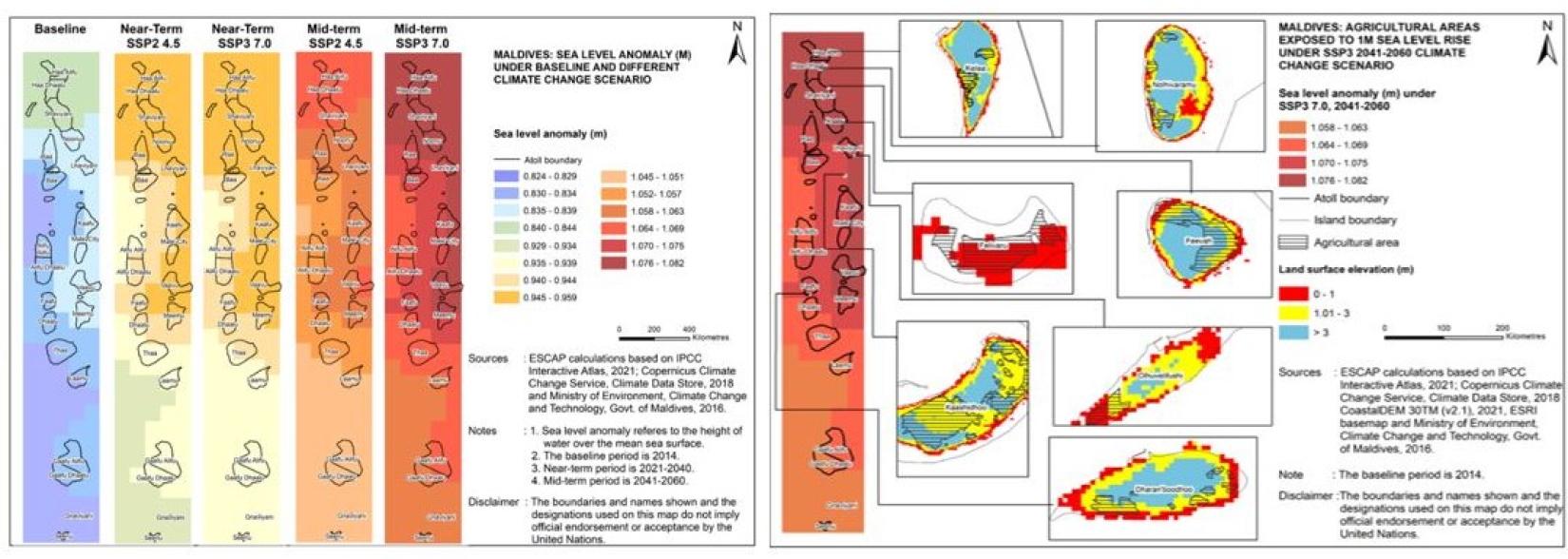
Building on the existing regulation and operationalization of EWS in the Maldives, the Government of Maldives, with the support of the UN under the leadership of the UN Resident Coordinator for the Maldives, has quickly convened technical expertise from the four pillar leads in the region, in order to boost political momentum for and achievement of the EW4All Action Plan by 2027. It builds on the decades of efforts in the disaster risk reduction and management space by the UNDP and UNDRR, with additional expertise provided by UNESCAP, UNEP and GEO.
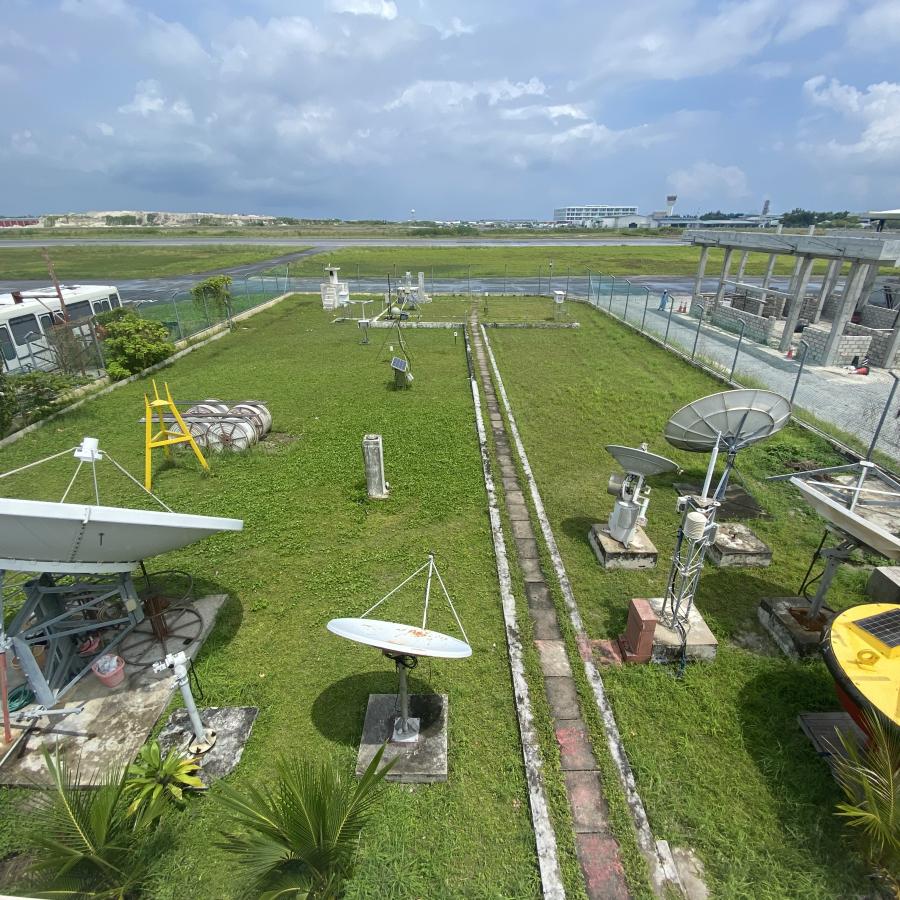
THE FOUR PILLARS OF EW4ALL ARE LED AS FOLLOWS
- PILLAR 1: DISASTER RISK KNOWLEDGE (National Disaster Management Authority, with support from UN Office for Disaster Risk Reduction )
- PILLAR 2: OBSERVATIONS AND FORECASTING (Maldives Meteorological Service, with support from World Meteorological Organization )
- PILLAR 3: WARNING DISSEMINATION AND COMMUNICATION (National Centre for Information Technology, with support from the International Telecommunications Union)
- PILLAR 4: PREPAREDNESS AND RESPONSE (Maldives Red Crescent, with support from the International Federation of the Red Cross and Crescent Societies)
Women’s rates of literacy can be lower than men’s, especially among the elderly. Consequently, women are often unaware of information regarding vision loss, or other eye health conditions and can be less likely to know about the possibility of treatment or where to go to receive it. Research conducted in South India suggests literacy levels among individuals with a vision impairment are predictors of receiving cataract surgery. Lack of education can also lead women to believe that they have been cursed with blindness or that they simply have bad luck. When they feel they lack agency or control in their daily life and health-seeking, women often de-prioritise their own eye health.
In the first national consultation of EW4ALL in the Asia Pacific region, and the first SIDS globally, the UN Resident Coordinator to the Maldives recalled the fundamental role of multi-hazard early warning systems in reducing loss of lives and livelihoods of Maldivians across the 187 local islands, and as host to foreigners in 170 resort islands. Ms. Haswell noted the significant progress made in the country, and the determination of the respective Pillar leads to collaborate in reaching every person in the Maldives before the end of 2027.
H.E Aminath Shauna, Minister of Environment, Climate Change and Technology highlighted early warning as a key piece for adaptation strategy:
“Maldives is the first Asian country and first SIDS to initiate the UN Secretary General’s Early Warnings For All program. As one of the most vulnerable countries to the climate crisis, it is critical that we build our national capacity in early warning and preparedness, and this is a key piece of our adaptation strategy. Early warning systems are cost-effective, saving lives, reducing economic losses, and providing a nearly tenfold return on investment. Our islands are numerous, as are our needs, but we are hopeful that through this program, we can drive the support and action needed to ensure every Maldivian is covered by multi-hazard early warning systems.”
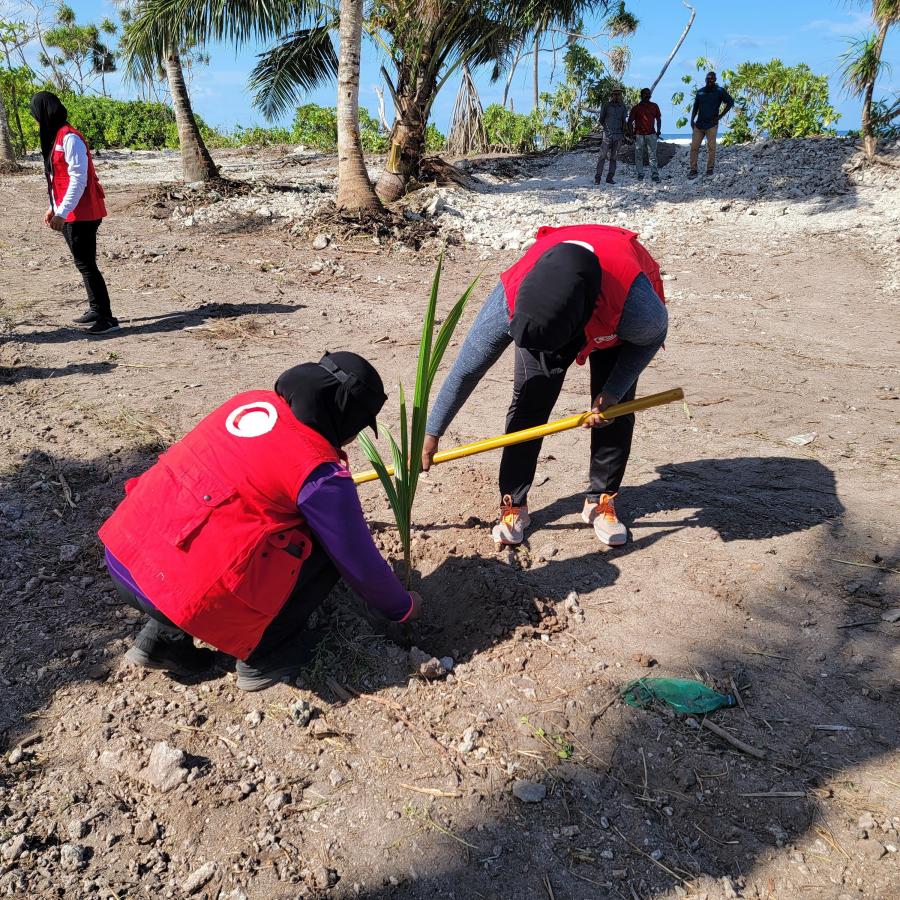
As a call to scale up national action, EW4All can play a crucial role in accelerating investment to address the vulnerability of the Maldives to climate change by improving early warning systems and enhancing resilience by:
Improved risk data collection and monitoring: Promoting open access and sharing of data and analyses on hazards, exposure and vulnerabilities to climate-related risks, and enhancing meteorological and hydrological monitoring systems in the Maldives. This includes installing weather stations, tide gauges, and river flow sensors to collect essential data on climate parameters. Accurate and timely data is crucial for detecting and predicting climate-related hazards and issuing early warnings to the most-at-risk can take early and anticipatory action.
Technological advancements: Facilitating the adoption and implementation of advanced technologies, such as remote sensing, satellite imagery, and modelling tools. These technologies can improve the accuracy and lead time of early warnings by providing real-time data, mapping hazard patterns, and predicting the intensity and trajectory of climate-related events.
Strengthening communication infrastructure: Supporting the development and enhancement of communication infrastructure in Maldives, including radio networks, mobile networks, and internet connectivity. Reliable communication channels are essential for disseminating early warning messages to communities, ensuring that the information reaches the most vulnerable populations in a timely manner.
Public awareness, education and enhanced preparedness and responses: Expanding public awareness campaigns and educational programs to educate the population of Maldives about climate change risks, the importance of early warnings, and appropriate response actions. Increased awareness and knowledge will enable individuals and communities’ preparedness and response plans.
Capacity building and training: Delivering demand-driven technical assistance and capacity-building programs to strengthen the skills and knowledge of government agencies, meteorological departments, disaster management organizations, and local communities. This includes training in risk assessment, loss and damage accounting, data analysis, hazard assessment, impact-based forecasting, early warning dissemination, and response planning. Building local capacity ensures effective management and sustainability of early warning systems.
EW4All underscores the importance of scaling up collaboration and knowledge sharing among different stakeholders, including government agencies, international organizations, research institutions, and local communities. Sharing best practices, lessons learned, and experiences from other countries facing similar challenges can help Maldives strengthen its early warning systems and adopt innovative approaches.

BUILDING ON GAPS AND NEEDS IDENTIFIED IN DAY 1, The second day of the consultation focused on concretising the national priorities that could be addressed under a new Green Climate Fund (GCF) proposal.
Prior to the launch of EW4All, UN Environment Programme (UNEP) has been supporting the Maldives to develop a GCF concept note “Toward Risk-Aware and Climate-resilienT communities (TRACT) – Strengthening climate services and impact-based multi-hazard early warning in Maldives”.
With the recent go-ahead from the GCF Climate Investment Committee to develop the concept into a full proposal, the timing is opportune to ensure that the TRACT project provides a tangible means to translate the talk into action.
The TRACT project will ensure holistic, whole-value-chain approach to establishing a people-centred, impact-based multi-hazard early warning system in Maldives. It will concurrently address capacity development needs across the four pillars of EW4All, which is essential to overcome the ‘last mile’ barriers that impede the full use and benefit of early warning systems (EWS).
Maldives is also in the first batch of Systematic Observations Financing Facility (SOFF) programming countries, with UNEP as its Implementing Entity. The SOFF is a key delivery mechanism of the EW4All initiative, providing technical and financial assistance to close gaps in essential weather and climate observations. The proposed TRACT project will leverage SOFF investments to reinforce capacity development efforts across the entire EWS value chain.
Maldives is also benefitting from support from the ESCAP Trust Fund for Tsunami Disaster and Climate Preparedness, in particular through support from the Regional Integrated Multi-Hazard Early Warning System for Africa and Asia (RIMES).
Impending Multi-hazard risk for the Maldives
Among the categories mentioned, floods induced by tsunamis, abnormal swell waves, heavy rainfall, windstorms, droughts, and earthquakes are considered as major natural hazards in the Maldives.
https://www.facebook.com/share/v/1BXJHXXGva