Nationaal Coördinatie Centrum voor Rampenbeheersing – NCCR National Coordinator Center for Disaster Relief (NCCR) http://www.nccr.sr.org
Ministry of Defense, Kwattaweg #29, Paramaribo, Suriname Phone: (597) 52 0840/42 641

UNDRR
Suriname has launched the process of establishing its National Strategy for Disaster Risk Reduction (Country Work Programme), aligning it closely with the nation’s climate change adaptation plans and actions.
Located on the northeastern coast of South America, Suriname is bolstering its disaster risk reduction (DRR) efforts through a comprehensive DRR Gap Analysis Workshop. Supported by organizations such as the Caribbean Disaster Emergency Management Agency (CDEMA), the Disaster Risk Reduction Centre at the University of the West Indies, USAID’s Bureau for Humanitarian Assistance (BHA) via the PROSE programme, and the United Nations Office for Disaster Risk Reduction (UNDRR), the workshop aimed to evaluate the current state of DRR efforts in Suriname. It focused on identifying key gaps and challenges and ensuring alignment with the existing National Adaptation Plan.
The workshop represents a crucial step towards developing a comprehensive Country Work Programme (National Strategy for Disaster Risk Reduction) that will be in line with the current National Adaptation Plan, the Paris Agreement, the Regional Comprehensive Disaster Management (CDM) Strategy, and the Sendai Framework for Disaster Risk Reduction. Suriname acknowledges the need to bolster its resilience against the impacts of climate change and natural hazards such as flooding, heavy rainfall, and coastal erosion.
To ensure coordination and alignment between ministries responsible for implementing climate change adaptation and disaster risk reduction agendas, the workshop was inaugurated by the Minister of Spatial Planning and Environment, H.E. Mr. Marciano Dasai. Minister Dasai emphasized the importance of addressing climate change as an integral part of disaster risk management and highlighted the significance of the workshop in fostering a comprehensive approach to climate change adaptation and disaster risk reduction to safeguard the country’s development goals. Colonel Jerry Slijngard, Coordinator of the National Coordination Centre for Disaster Risk Management (NCCR), reiterated the Center’s commitment to ensuring the safety and well-being of the population and underscored the workshop’s importance in identifying areas for improvement and developing strategies to enhance disaster risk reduction efforts in Suriname.
The workshop focused on integrating climate change adaptation (CCA) into Disaster Risk Reduction (DRR), aligning with Suriname’s National Adaptation Plan (NAP) 2020 and the Multi-annual Development Plan 2022-2026. Key stakeholders from government agencies, non-governmental organizations, the private sector, academia, and community representatives came together to:
- Assess the current state of DRR efforts in Suriname.
- Identify gaps in policies, plans, and programs addressing disaster risk reduction and climate change adaptation.
- Gather input from diverse stakeholders to understand perspectives and experiences on climate change adaptation and disaster risk reduction.
- Develop recommendations and action plans to address identified gaps and enhance DRR initiatives, including aligning with climate change adaptation strategies.
- Foster partnerships and collaborative approaches to enhance disaster resilience in Suriname by integrating climate change adaptation into disaster risk reduction efforts.
One of the primary discussions revolved around the country’s urgent need to develop specific legislation related to disaster risk management, aligned with ongoing efforts on climate change adaptation, to clarify mandates, roles, and responsibilities while ensuring the technical and human capacities for implementing mitigation, adaptation, and preparedness actions sustainably. Participants discussed:
- Developing a National Disaster Risk Management Policy incorporating climate change adaptation
- Strengthening existing laws and regulations related to disaster risk management
- Establishing clear roles and responsibilities for disaster risk reduction and climate change adaptation at all government levels
- Developing guidelines for disaster risk assessment, early warning systems, emergency response planning, and recovery planning
The DRR Gap Analysis Workshop in Suriname represents a crucial step towards achieving the 2030 Sustainable Development Agenda and fulfilling national commitments to the Paris Agreement. By fostering collaboration and knowledge exchange among a diverse range of stakeholders, the workshop aimed to initiate the process of developing a Country Work Program (CWP) for Suriname. This initiative seeks to enhance the country’s disaster risk management capabilities and integrate climate change adaptation (CCA) into disaster risk reduction (DRR) efforts.
Moving forward, the next phase in the preparation of the CWP involves the development of the CDM Audit tool. This tool is designed to evaluate Suriname’s capacities across all stages of the disaster management cycle. The consortium comprising CDEMA, UWI-DRRC, USAID-BHA-PROSE, and UNDRR will continue their collaborative efforts throughout the various stages of CWP preparation. Their goal is to ensure alignment with the climate adaptation agenda while incorporating concrete actions for disaster risk reduction financing, human mobility, recovery, enhancement of disaster risk knowledge, and the establishment of multi-hazard early warning systems, among other key objectives.
Background information on Suriname
Suriname’s risk profile is predominantly characterized by floods. In 2006, the country experienced severe flooding that directly impacted approximately 25,000 individuals across 150 villages, with estimated costs reaching USD 40 million. More recently, the April 2021 floods affected all ten districts of the country, with final costs still pending determination. While floods remain the most prevalent hazard, especially in terms of exposure, other risks, particularly biological hazards, also contribute significantly to the national risk profile.
The public health challenges posed by biological hazards are compounded by the socioeconomic impacts of events such as the recent virus outbreak, exacerbating existing inequalities and revealing underlying vulnerabilities that heighten disaster risk. The intricate dynamics of climate change further compound these challenges, impacting not only the hydrometeorological risk landscape but also generating and amplifying environmental and biological hazards with far-reaching consequences across various sectors. Effective risk management necessitates a systemic approach that comprehensively explores the interconnected nature of economic, political, human, and environmental systems.
Suriname’s development framework, as outlined in the National Development Plan 2017-2021, underscores the country’s commitment to disaster risk management and climate change action. While the Plan acknowledges well-established climate-related risks, it also recognizes anthropogenic hazards, reflecting an understanding of the multi-hazard environment. Serving as a key tool for the country’s development, the National Development Plan lays the groundwork for directly addressing disaster risk and the social determinants underlying it. The Plan commits to formulating a disaster risk reduction strategy for Suriname, encompassing crucial areas such as risk identification, preparedness, national coordination for response, post-disaster recovery and reconstruction with a focus on resilience-building, and partnerships for technical and financial support. Consequently, the National Development Plan provides a solid foundation for the Country Work Programme, serving as a pivotal entry point for the program’s implementation.
In addition to the National Development Plan, Suriname’s National Climate Change Policy Strategy and Action Plan (2013), National Adaptation Plan (2020), and Updated Nationally Determined Contribution (2020) underscore the country’s dedication to climate change mitigation and adaptation efforts. Supported by the National Coordination Centre for Disaster Relief (NCCR) as the designated competent authority, Suriname’s disaster risk management framework operates within a multi-stakeholder environment that engages various sectors, state agencies, non-governmental organizations, local government entities, and the community.
Despite progress made thus far, there are several critical areas that require urgent attention to bolster the national disaster risk management framework. Suriname’s current approach to disaster risk management primarily focuses on response activities, lacking adequate mechanisms for risk mitigation and preparedness. The absence of approved and operationalized disaster legislation within the national framework poses a significant challenge. Furthermore, deficiencies in the legislative environment for integrating disaster risk reduction into development processes have impeded progress in this area. Weaknesses in legislative and policy frameworks have manifested as operational and institutional hurdles, leading to unclear delineation of responsibilities, fragmented initiatives, insufficient ownership, and limited mainstreaming of disaster risk reduction efforts. Moreover, inadequate human, material, and financial resources allocated to disaster risk management activities have hindered progress. Rising debt levels have not only impeded economic growth and development in Suriname but have also constrained the allocation of resources for productive investments and new initiatives.
Suriname faces challenges in effectively collecting, analyzing, and utilizing data to track progress in reducing climate and disaster risks. This lack of data hampers the country’s ability to make informed decisions related to development and economic growth. Essential baseline data, sector-specific risk profiles crucial for policymakers in formulating integrated policies, plans, strategies, and actions (with the exception of an agriculture sector risk profile), and comprehensive national-level hazard and disaster risk assessments are currently unavailable, posing obstacles to mainstreaming efforts.
Policy coherence is another key area requiring enhancement. While Suriname has established the National Development Plan and specific plans and policies addressing climate change, a dedicated disaster risk management policy or plan is lacking. Although existing policy instruments demonstrate progress toward strategic, conceptual, and operational coherence, institutional, financial, and monitoring and evaluation aspects exhibit deficiencies. In a resource-constrained setting, financial and monitoring and evaluation coherence are particularly critical. Institutional coherence is hindered by fragmented ownership across state entities. While the NCCR oversees disaster risk management, the responsibility for developing and coordinating the implementation of climate-related policies and plans falls under the Directorate for the Environment within the Ministry of Spatial Planning and Environment. The implementation of the National Development Plan is overseen by the country’s Planning Bureau. Therefore, establishing joint mechanisms to support policy coherence is imperative.
For more detailed information on Suriname’s disaster risk reduction initiatives, please refer to the Situational Analysis report prepared by UNDRR, CDEMA, and NCCR in 2022.
Surunum Disaster Risk Management :
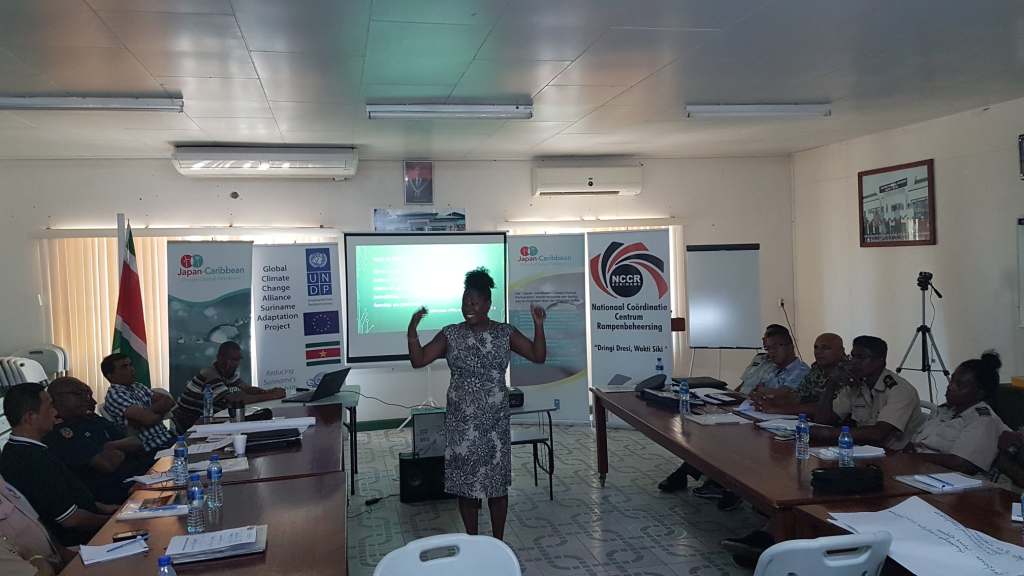

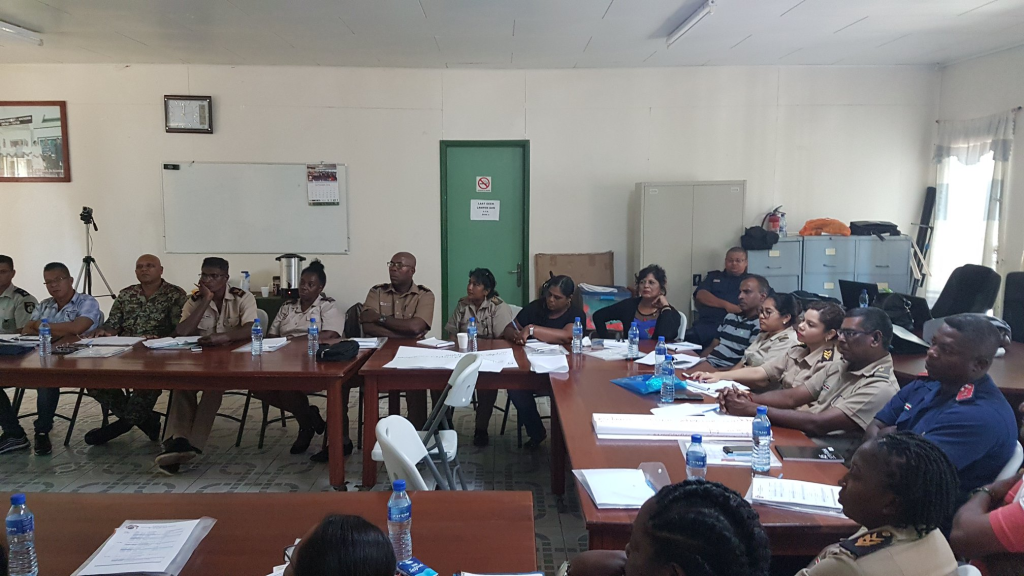
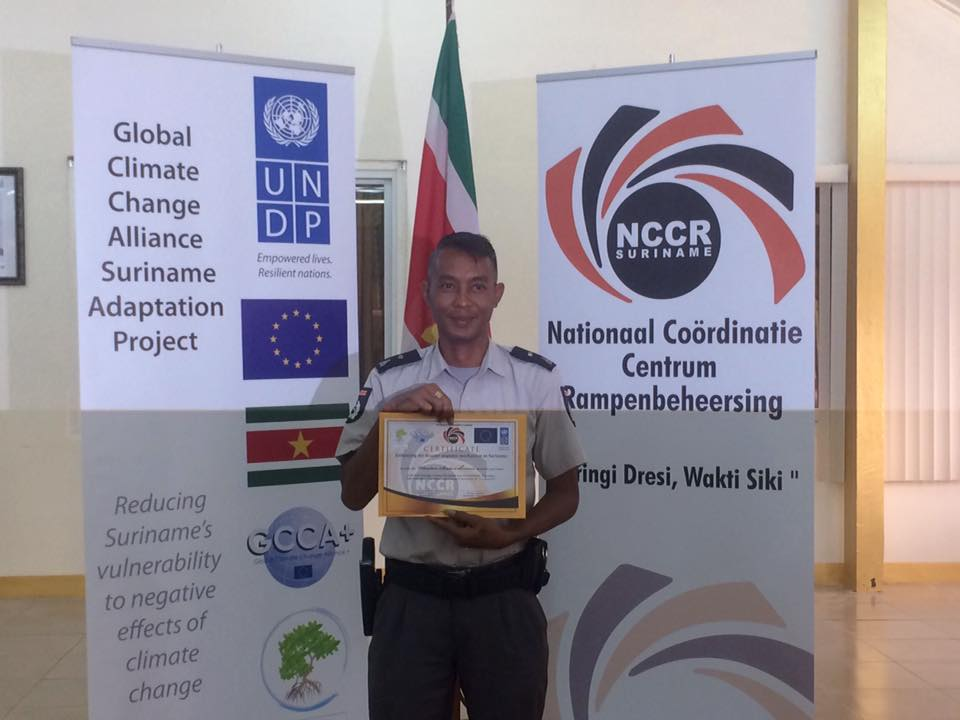
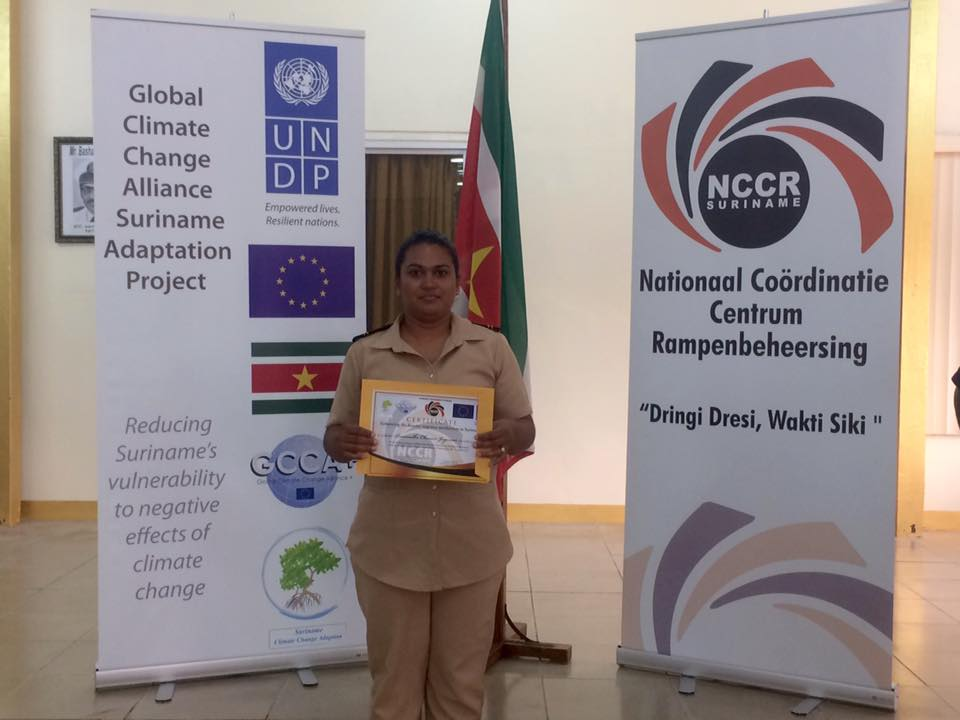
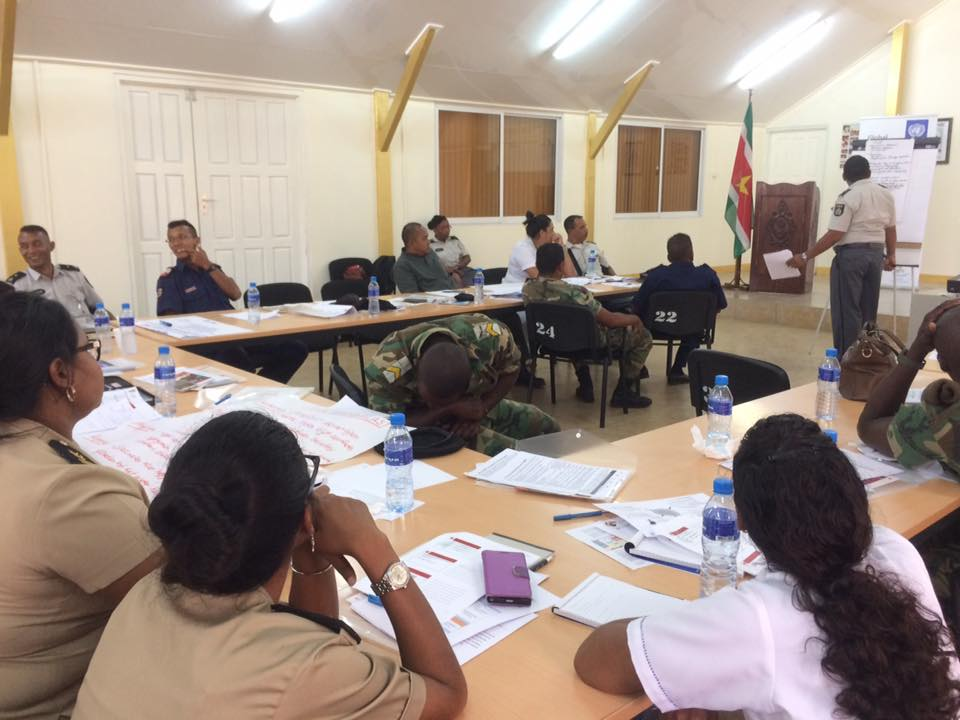
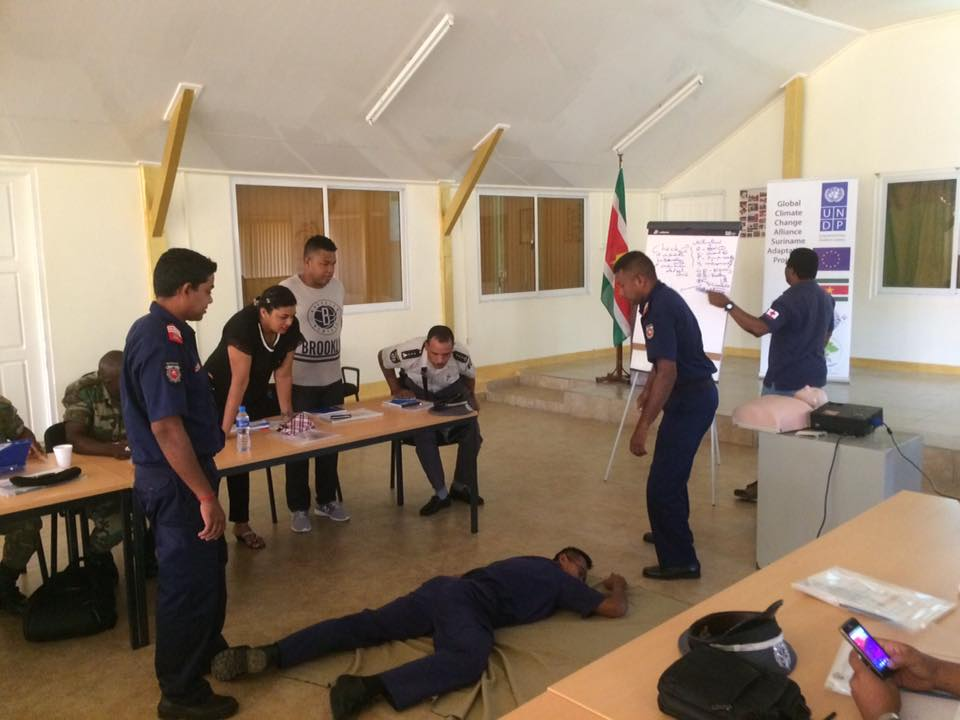
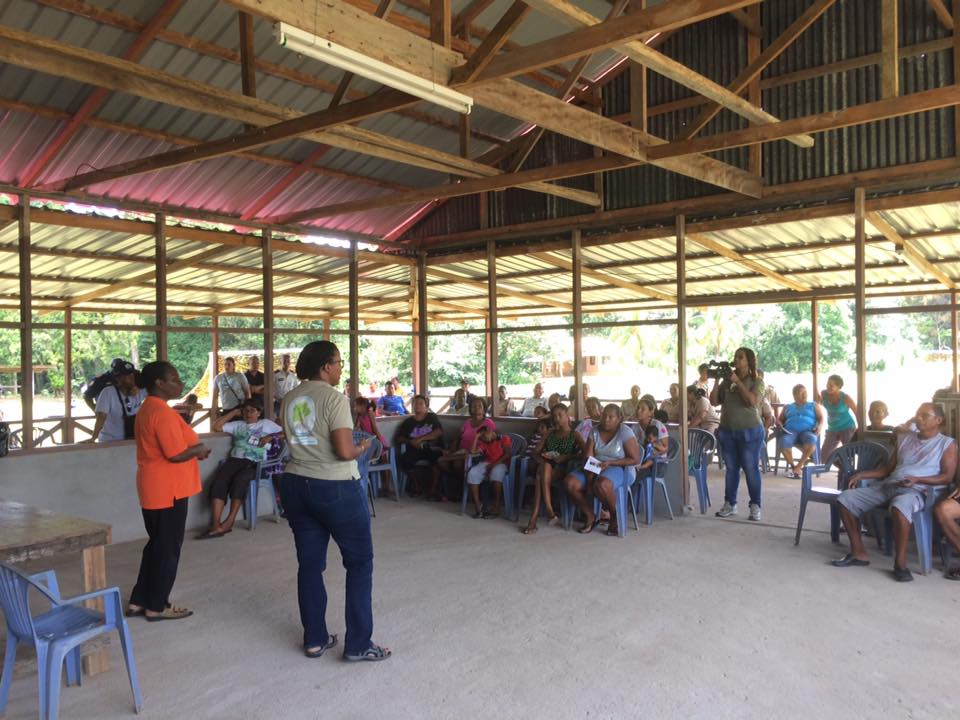
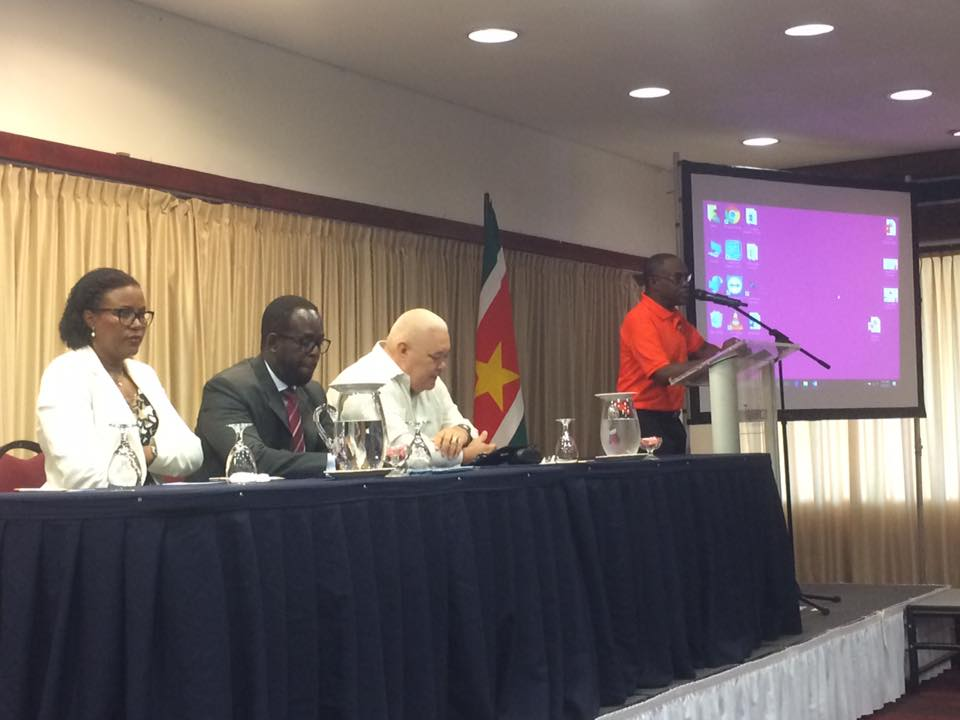
Suriname a small country on the northern coast of South America, Suriname initiated a National Disaster Preparedness Baseline Assessment through its National Coordination Center for Disaster Relief (NCCR) in partnership with the University of Hawai’i’s Pacific Disaster Center (PDC). Using a collaborative, stakeholder-led process, the assessment will help evaluate multidimensional risk and vulnerability within each of Suriname’s ten districts.
To kick off the project, a workshop and exchange took place on June 13, 2023 at the Courtyard by Marriott Paramaribo. The event brought together representatives from more than 25 different ministries, nonprofits, and international organizations—all of whom have critical insights and experience in solving complex disaster management problems and responding to major events.
“Thoughts will be exchanged with all these actors about proper disaster preparedness,” said NCCR coordinator Col. Jerry Slijngard during his opening remarks. According to Slijngard, the kick-off is the first step towards coordinated functioning in the event of disasters. He said the PDC will play an important role in this by developing a “disaster aware tool” from which all partners can obtain their information.
“This system will help the institutions to respond more quickly.”
NCCR coordinator Col. Jerry Slijngard
The National Disaster Preparedness Baseline Assessment is an internationally recognized program developed by PDC that will use a scientific process to help improve the availability and reliability of risk data and early warning information in order to safeguard Suriname now and into the future.
“The baseline assessment is the only operationalized approach to the UN Sendai Framework for Disaster Risk Reduction and is also designed to help countries achieve the targets for sustainable development and the targets of the Paris Agreement—ensuring nobody is left behind.”
—PDC’s Director of Global Operations Dr. Erin Hughey
Although Suriname is one of only three carbon-negative nations in the world, it has been significantly affected by the worsening climate crisis—especially in coastal and inland areas where people are vulnerable to extreme flooding and other severe hazards.
According to Dr. Hughey, no country is immune to the impacts of climate change and it will require collaboration across national borders and a global network of partners to help build resilience and mitigate challenges.
“To understand and protect against risk, PDC will collaborate with NCCR to conduct the assessment and to share and exchange knowledge among all stakeholders. Together, we will develop a five-year action plan to enhance capacities and prioritize strategies and investments to build more disaster-resilient and climate-change-resilient communities,” said Dr. Hughey.
The assessment is set to take place over a period of twelve months and provide a comprehensive analysis of national and subnational disaster management capacities. It will include assessment reports for each of the ten districts assessed. All data and information produced will be processed and visualized geospatially and made available to Suriname as well as through PDC’s DisasterAWARE platform.
DisasterAWARE provides real-time early warning for multiple hazards and advanced modeling of potential hazard impacts as hazards occur. The system is designed for the disaster management and humanitarian response community who will leverage Suriname’s assessment information to support effective disaster planning, preparedness, response, and mitigation.